
TEEMA Technology Park in Miękinia could become one of Lower Silesia’s most important high-tech hubs. Wroclaw University of Economics and Business is contributing expertise needed to build the project’s economic foundations: from skills development and research to cooperation with regional businesses.
The academic community among the project partners
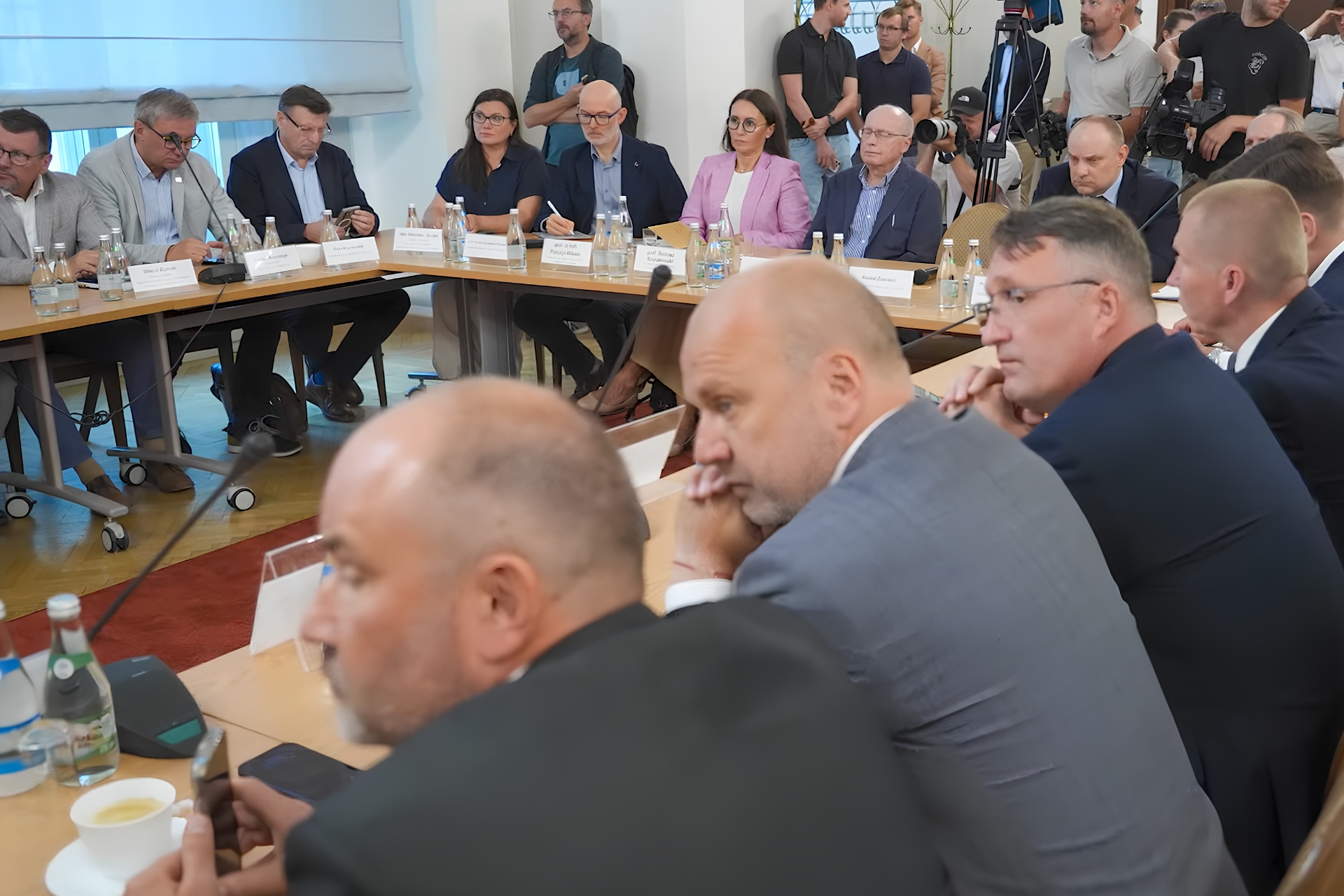
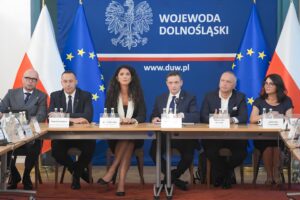
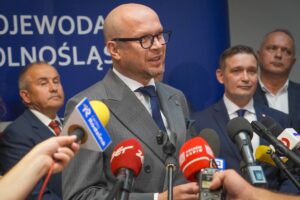
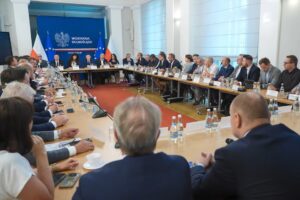
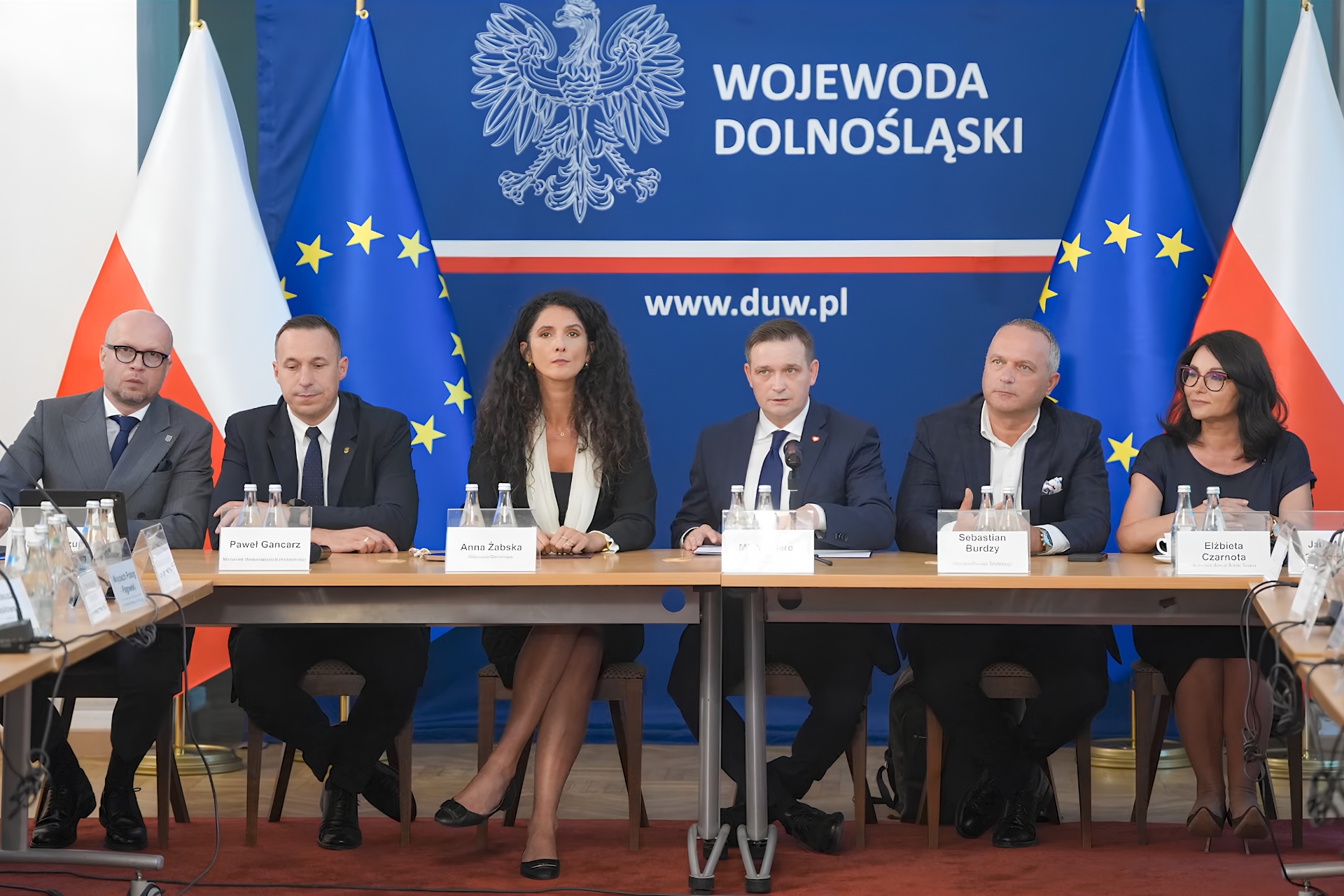
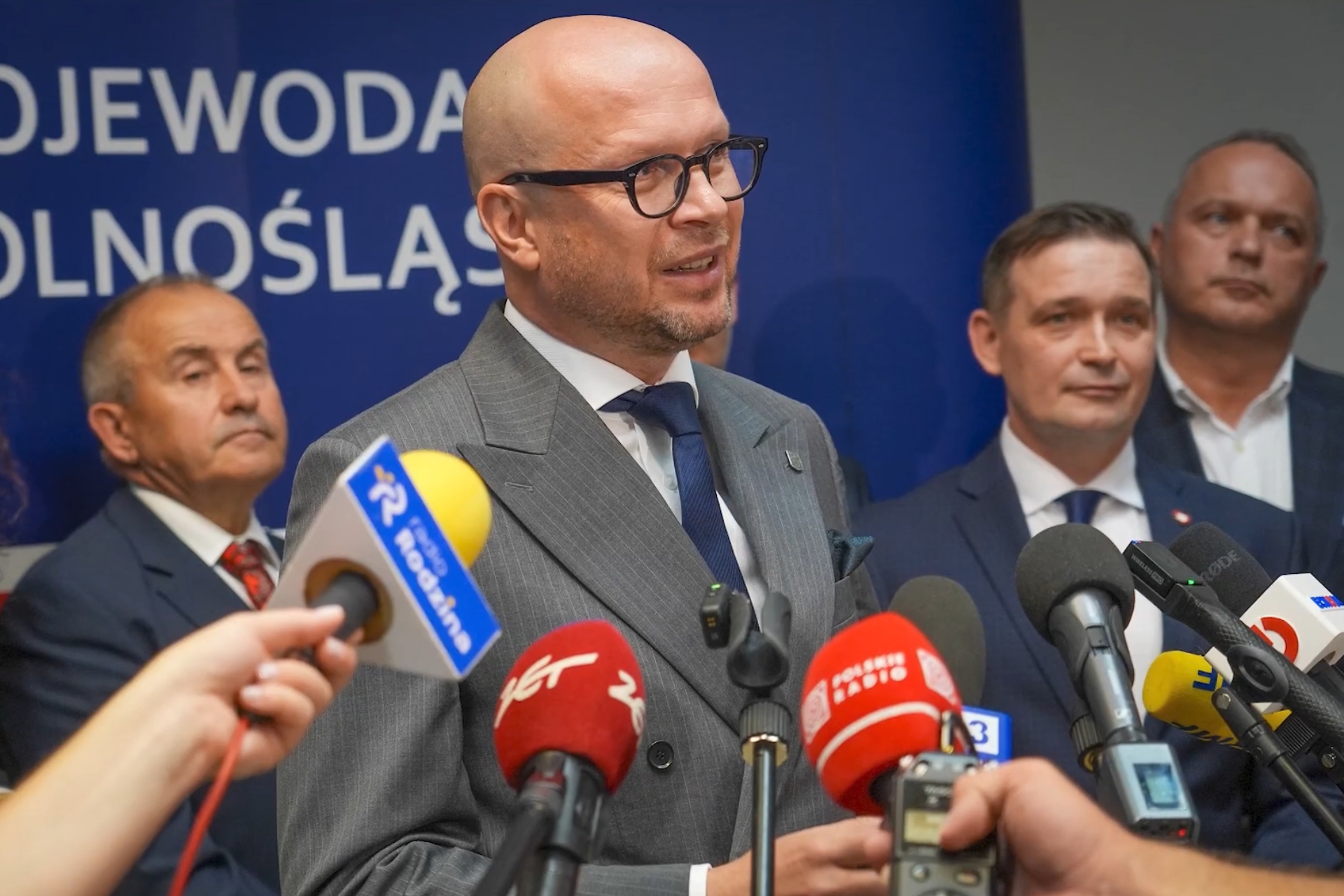
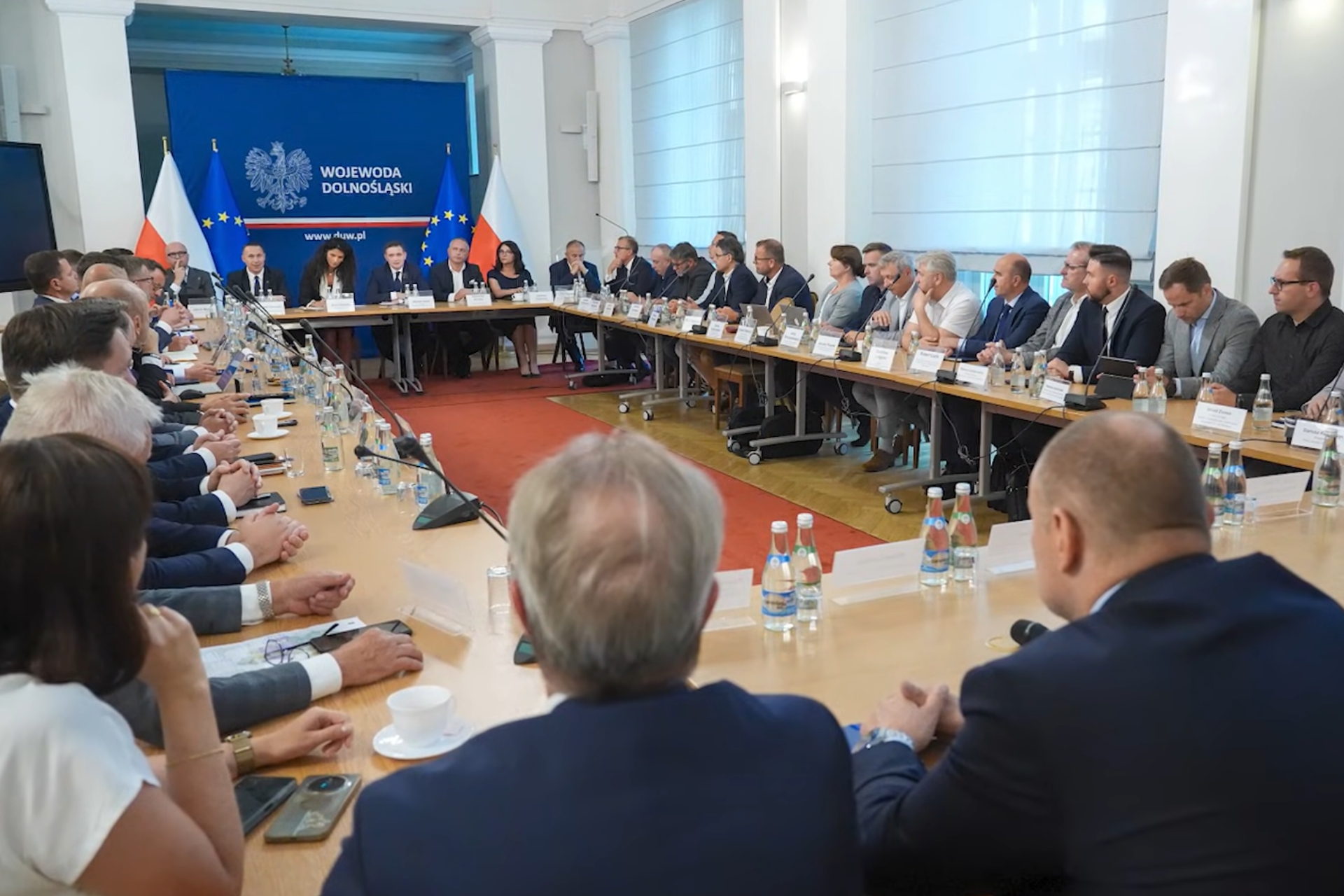
The coordination meeting was held on 10 August 2026 at the Lower Silesian Voivodeship Office in Wrocław, at the invitation of Michał Jaros, Secretary of State at the Ministry of Economic Development and Technology. The invitation to participate was addressed to the Rector of Wroclaw University of Economics and Business.
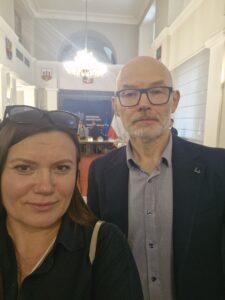
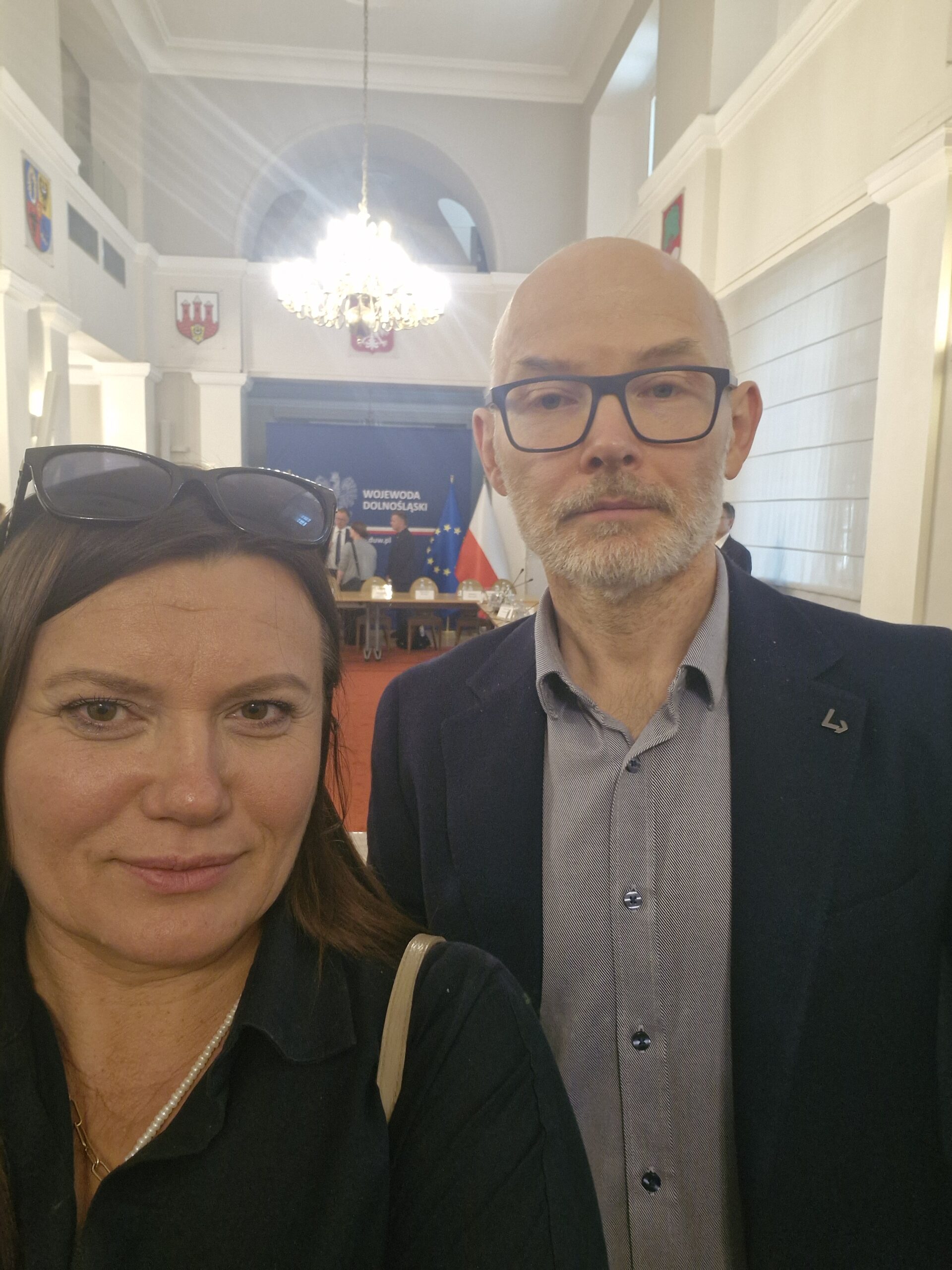
WUEB was represented by Ałła Witwicka-Dudek, Director of the Business Cooperation Center, and Professor Krzysztof Piontek from the Department of Financial Investments and Risk Management as well as a member of the Academic Centre for Artificial Intelligence. They brought together two perspectives that will be important to the planned technology park: cooperation between the University and business, and expertise in finance, risk management, data analysis and artificial intelligence. Professor Piontek also has extensive business experience.
The meeting focused on the current state of preparations, the main challenges facing the project, and the priority actions and principles of cooperation between the institutions involved.
„Implementing the project will require close cooperation between central government, local authorities, business support institutions, infrastructure operators and the academic community”.
The planned investment is intended to create an integrated industrial and technology complex in Miękinia. Taiwanese companies are expected to develop advanced AI servers, electromobility and smart city solutions there. Foxconn is also expected to be involved.
Current projections indicate that the park could ultimately contribute to the creation of up to 40,000 jobs. This is a forecast for the fully developed project, not a confirmed number of posts in its first phase. Further details are due to be presented at TEEMA Technology Park Industry Day, scheduled to take place in Warsaw in November 2026.
Further information about preparations for the project: https://www.gov.pl/web/dolnoslaski-uw/operacyjny-etap-realizacji-teema-technology-park-w-miekini-kluczowe-spotkanie-w-duw
Media coverage — RMF24, „Największa od lat inwestycja na Dolnym Śląsku. To ma być technologiczne serce Polski”. https://www.rmf24.pl/regiony/wroclaw/news-najwieksza-od-lat-inwestycja-na-dolnym-slasku-to-ma-byc-tech,nIdn,1013159
How WUEB can support TEEMA Technology Park in Miękinia
Engineering expertise is fundamental to any technology investment. The park’s day-to-day operations will also depend on management, finance, logistics, data analysis and work organisation. At the meeting, WUEB representatives identified several areas in which the University’s expertise could support the project.
The first is skills development. The investment will require specialists in supply chain management who can plan the flow of components and work with global suppliers. It will also need professionals in finance, controlling and accounting to support the operations of international companies.
Business analytics and data analysis will be equally important. In modern industrial facilities, information about costs, production, deliveries, inventories and quality informs many operational decisions. Employers will need people who can combine an understanding of business processes with digital tools and the responsible use of artificial intelligence.
The scale of the project will also create challenges related to recruitment, staff retention and career development. Human resource management will be particularly important in teams bringing together people from different countries and organisational cultures.
WUEB provides education and conducts research in these fields. One possible avenue of cooperation with investors would be to develop tailored teaching modules, internship schemes, dual-study programmes and certified professional development courses. These should be designed jointly with companies and linked to the requirements of specific roles. At this stage, they remain potential areas of cooperation identified by WUEB rather than agreed elements of the project.
An investment that could strengthen Lower Silesia
WUEB’s role extends beyond preparing future employees. University researchers could examine the investment’s impact on the regional economy, labour market and demand for skills. Their analyses could also address sustainable development, including the project’s effects on the environment, local communities, working conditions and governance.
Another important task will be to connect Lower Silesian small and medium-sized enterprises with international value chains. Cooperation with Taiwanese companies could create new opportunities for regional businesses, but it will also require them to meet standards in areas such as quality, security, delivery performance and reporting. WUEB can support them through research, training and advice.
The park could also encourage the creation of start-ups and spin-off companies developing business applications, analytical tools, smart city solutions and uses of artificial intelligence. WUEB’s expertise in entrepreneurship, business models and the commercialisation of knowledge could support the development of such ventures.
The wider economic context is explained by Professor Bogusław Półtorak from the Department of Finance. He argues that a major investor can accelerate development but cannot replace a region’s own capabilities. The project’s long-term impact will depend on local suppliers, specialist services, knowledge and research and development cooperation.
Read the expert commentary ‘Major technology investments in Poland: https://badania.uew.pl/en/major-technology-investments-in-poland/
The participation of Ałła Witwicka-Dudek and dr hab. Krzysztof Piontek, Prof. of the WUEB brought the perspective of a business university to the discussion. WUEB can contribute skills, research, analysis and experience of working with companies. These foundations will be essential if TEEMA Technology Park in Miękinia is to become a lasting driver of development for Lower Silesia.
Read more about the activities of the Academic Centre for Artificial Intelligence: https://badania.uew.pl/en/ai-in-finance-when-research-expertise-meets-a-market-challenge/
Author of text: Barbara Grzelczak
See also
Big Future: WUEB researchers build climate scenarios for policymakers and public institutions
WUEB and GHI discuss food safety standards
Citizen energy needs economists. WUEB among the signatories of the “Energy for People” declaration
Research impact as a design principle. What the AACSB Research Impact Conference in Dublin teaches us
See similar content

WUEB Experts Weekly Review: Research, Projects and Academic Successes (28 September–4 October 2026)
Vitamins C and D in a single plant-based gel: UEW researcher awarded NCN grant

Joanna Radomska of WUEB awarded the title of professor
How can solutions for urban freight transport be co-created? Dr hab. inż. Maja Kiba-Janiak’s, Professor of the WUEB research fellowship in Gothenburg
WUEB Experts Weekly Review: Research, Projects and Academic Successes (21–27 September 2026)
Poland’s demographic crisis: Professor Marek Kośny on the economic consequences
What is Bitcoin and How is it Changing Finance? dr Michał Kisiel on the Future of Money