

How can the competences developed at universities be better aligned with labour market needs across the V4 countries?
Four universities from Poland, Czechia, Slovakia and Hungary are jointly testing a Design Thinking-based model of university-employer collaboration. Students will work on real organisational challenges, while academic teams will use a shared methodology to identify and compare the competences needed by young people entering the labour market.
About the project
The transition from university to the labour market depends on more than holding a degree. Specific competences are increasingly important: problem-solving, teamwork, needs analysis, collaboration and the ability to develop solutions to real organisational challenges.
The Bridging V4 Universities and Business through Design Thinking project focuses on the gap between the competences students develop during their studies and employers’ expectations across the Visegrad Group countries.
The project partners will use a shared workshop model to examine:
- which competences are needed to address real organisational problems;
- which employer needs are shared across the V4 countries;
- where national and sectoral differences emerge;
- how universities can use Design Thinking to develop competences that are valuable at the start of a professional career.
How we work
One model, four countries
Four workshops based on a shared methodology will be held in Poland, Czechia, Slovakia and Hungary. In each country, students from the partner universities will work in international teams on a challenge submitted by a company or institution.
The process moves from a real organisational challenge, through Design Thinking activities, observation and feedback, to country-level analysis, a V4 comparison and the preparation of a shared toolkit.
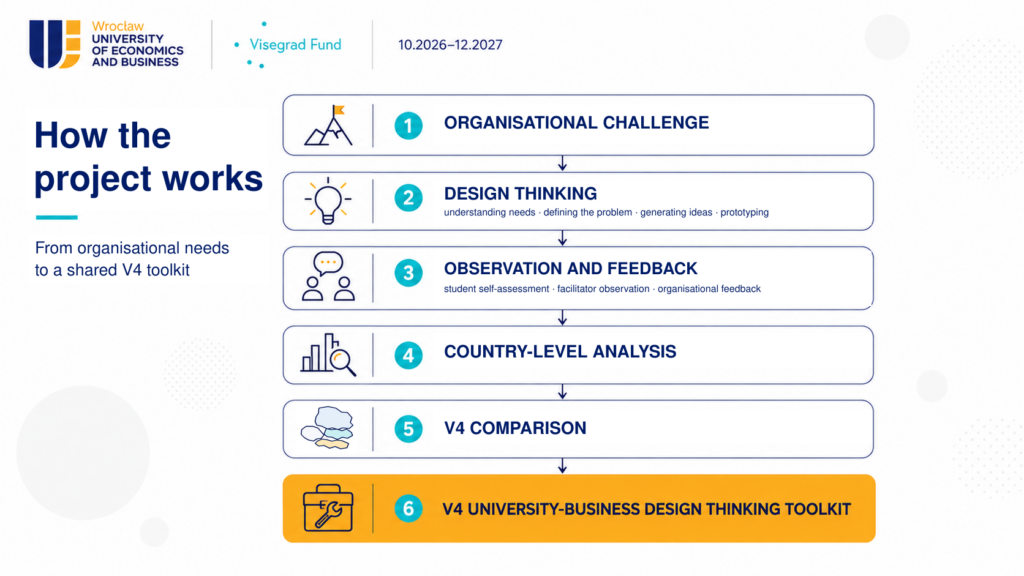
Figure 1. Project workflow: organisational challenge, Design Thinking, observation and feedback, country-level analysis, V4 comparison, and the V4 University-Business Design Thinking Toolkit.
Four workshops
Applying a shared methodology in four countries will allow experiences from different labour-market contexts to be examined together and the competences needed to address real organisational challenges to be compared.
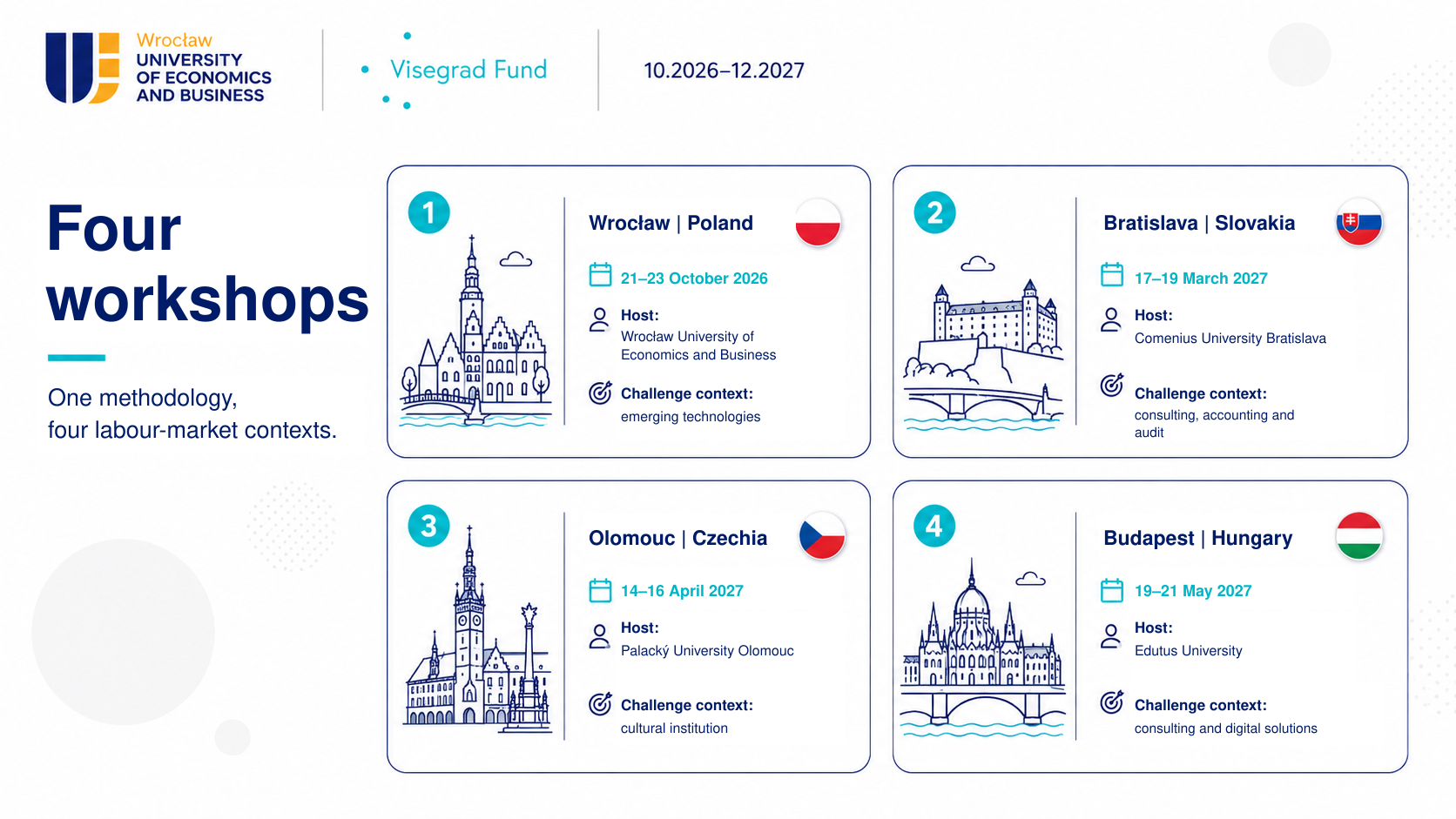
Figure 2. Four project workshops: Wrocław, 21–23 October 2026; Bratislava, 17–19 March 2027; Olomouc, 14–16 April 2027; and Budapest, 19–21 May 2027, including the hosts and challenge contexts.
First Event – Wrocław, 21-23 October 2026 Link to the event website: https://badania.uew.pl/events/v4bridgewroclaw/
Research and methodological component
The workshops will also provide a setting in which the partners can collect material to better understand the competences required by students entering the labour market.
The project will use:
- participants’ self-assessments of their competences before and after each workshop;
- facilitators’ observations of the teams’ work;
- feedback from organisations participating in the project;
- prototypes of solutions developed by students;
- joint consultation and analysis by the partners.
After each workshop, material will be produced on the competences observed in that country. Once all four stages have been completed, the partners will prepare a comparison of the results across the V4 region.
Contribution of Wrocław University of Economics and Business
WUEB leads the project and coordinates the partnership. The WUEB team combines expertise in international project coordination, Design Thinking methodology and business engagement.
mgr Paulina Graczyk · project coordination and international partnership management
mgr Kamila Łuczak · Design Thinking methodology
mgr Maciej Krahel · business engagement
Partners
The project is delivered by four universities. Each partner is responsible for its national workstream and contributes to the joint comparison and final toolkit.
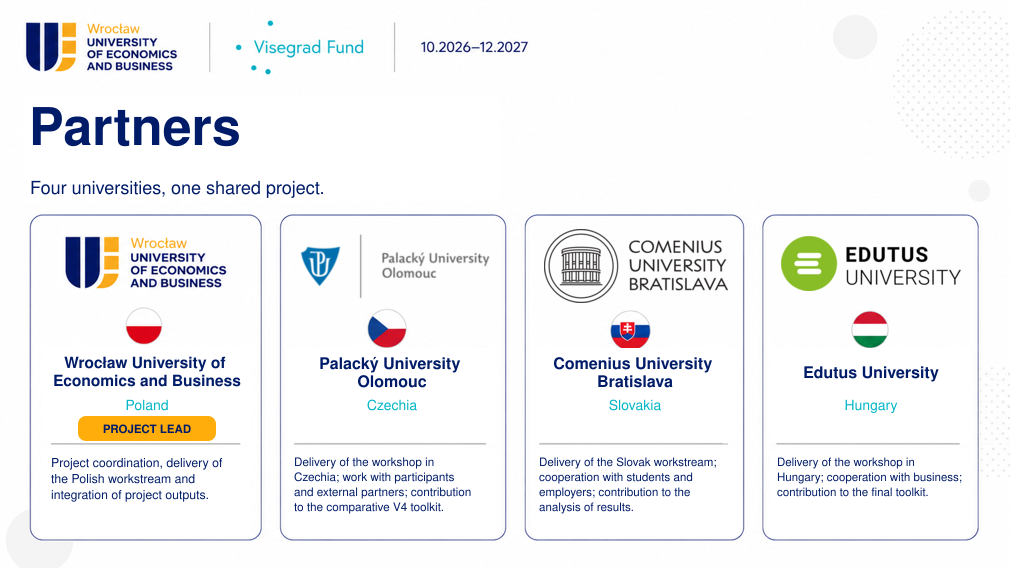
Figure 3. Project partners: Wrocław University of Economics and Business as lead partner, Palacký University Olomouc, Comenius University Bratislava and Edutus University, with their principal roles in the project.
What will be produced
V4 University-Business Design Thinking Toolkit
The project’s principal output will be an open toolkit enabling other universities and organisations to use the model developed through the project.
The toolkit will include:
- a Design Thinking workshop plan;
- methodological guidelines;
- tools and exercises;
- competence assessment criteria;
- student self-assessment forms;
- feedback tools for employers;
- observation sheets for facilitators;
- case studies;
- recommendations for adapting the model.
The toolkit will be published on an open-access basis with the involvement of the Wrocław University of Economics and Business publishing house.
The project in figures
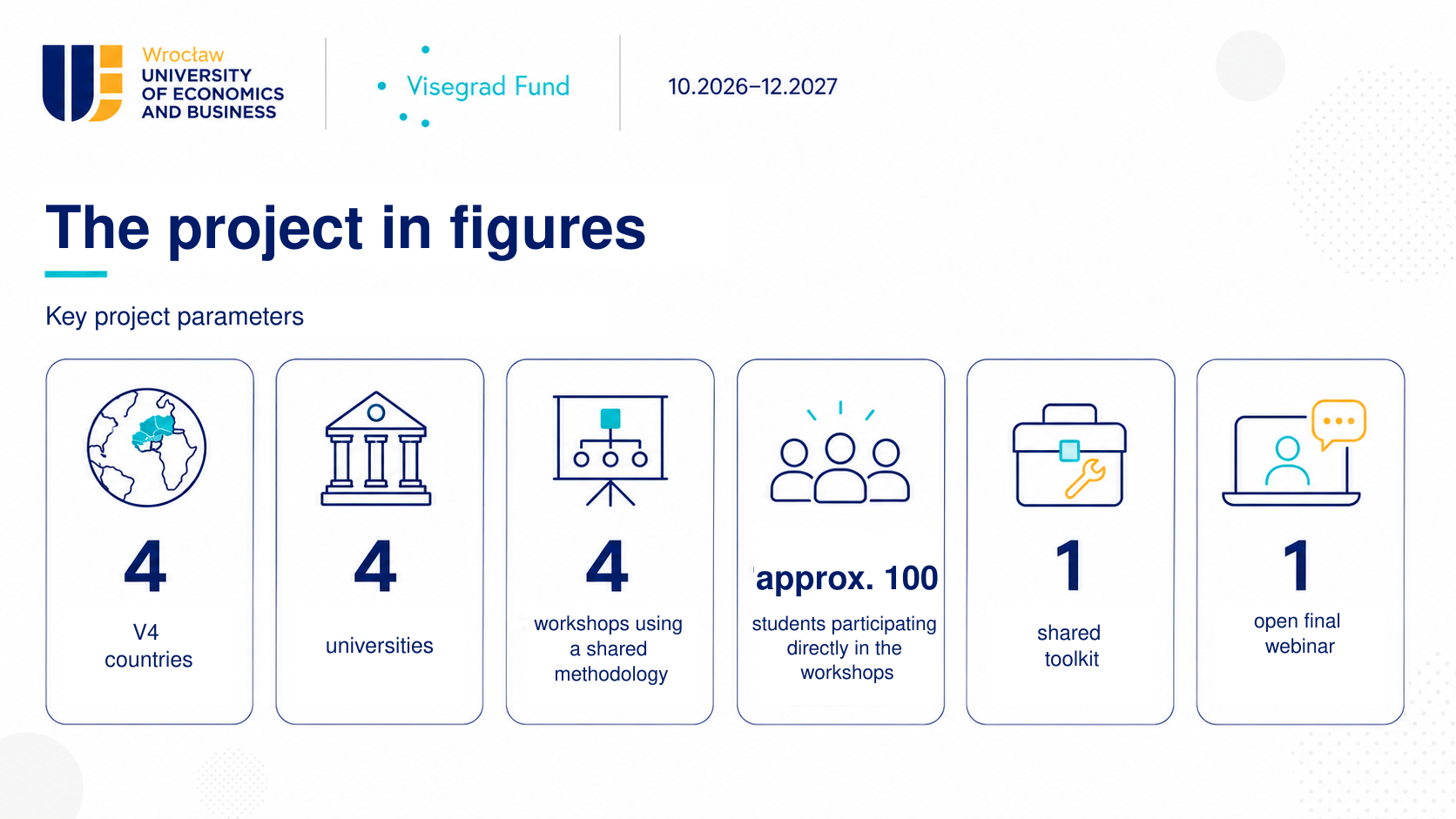
Figure 4. Key project parameters: 4 V4 countries, 4 universities, 4 workshops using a shared methodology, approximately 100 students participating directly, 1 shared toolkit and 1 open final webinar.
Sustainable Development Goals
The project supports three United Nations Sustainable Development Goals: SDG 4 Quality Education, SDG 8 Decent Work and Economic Growth and SDG 17 Partnerships for the Goals.
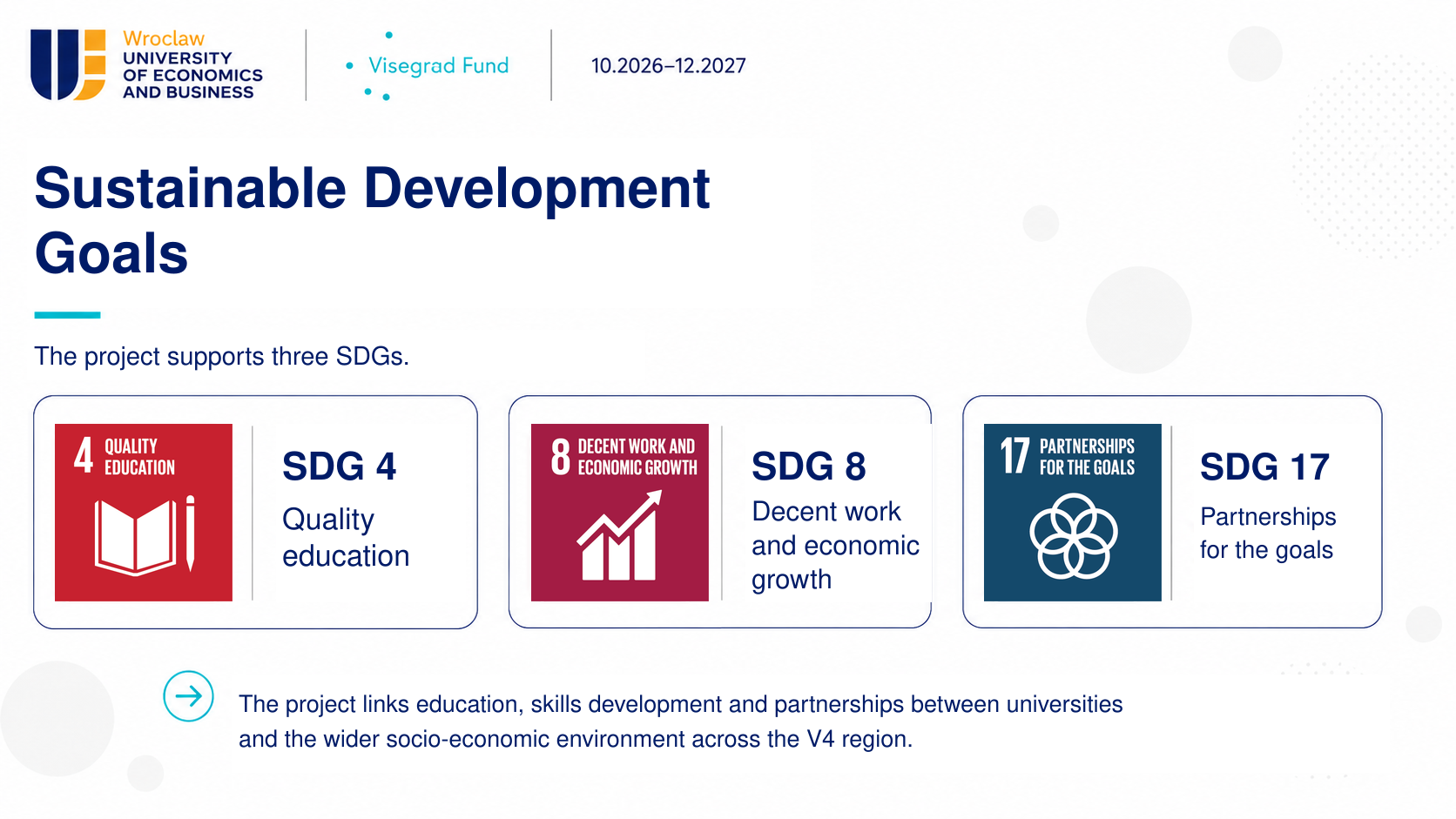
Figure 5. Sustainable Development Goals linked to the project: SDG 4 Quality Education, SDG 8 Decent Work and Economic Growth and SDG 17 Partnerships for the Goals.
Contact
Project coordination: mgr Paulina Graczyk
Email: [email protected]
Institution: Wrocław University of Economics and Business
Funding and acknowledgements
The project is co-financed by the governments of Czechia, Hungary, Poland and Slovakia through Visegrad Grants from the International Visegrad Fund.
The project is co-financed by the governments of Czechia, Hungary, Poland and Slovakia through Visegrad Grants from the International Visegrad Fund. The mission of the fund is to advance ideas for sustainable regional cooperation in Central Europe.
Project coordination
mgr Paulina Graczyk
WUEB Project Team:
mgr Kamila Łuczak
mgr Maciej Krahel
Leader: Wroclaw University of Economics and Business
Programme: Visegrad Grants, International Visegrad Fund
Funding: 29 250 EUR
Geographical scope: Poland · Czechia · Slovakia · Hungar
Project number: 22620144
Partners: Palacký University Olomouc, Comenius University Bratislava, Edutus University
Status of projects:
Project in progress
Project period: 1 October 2026–1 December 2027
See similar content
A New Form of Fat: A More Sustainable Product Formulation. WaterSmartFat Brings Together Food Technology and Water Footprint Analysis

Microwaves and Silymarin – An Innovative Approach to Enhancing the Health Value of Milk Thistle Sprouts

New photoactive niobium(V)-containing oxide compounds as photocatalysts forthe purification of drinking water from organic micropollutants

Next-Gen Urban Freight Logistics for Net Zero Emissions through Innovative Solutions – NEXTLOGIC
See also
How can economic fluctuations be smoothed? The 2026 Nobel Prize in Economic Sciences through the eyes of WUEB researchers
The World Within Wrocław’s Reach. How the PROM research mobilities confirm WUEB’s place on the map of global academia
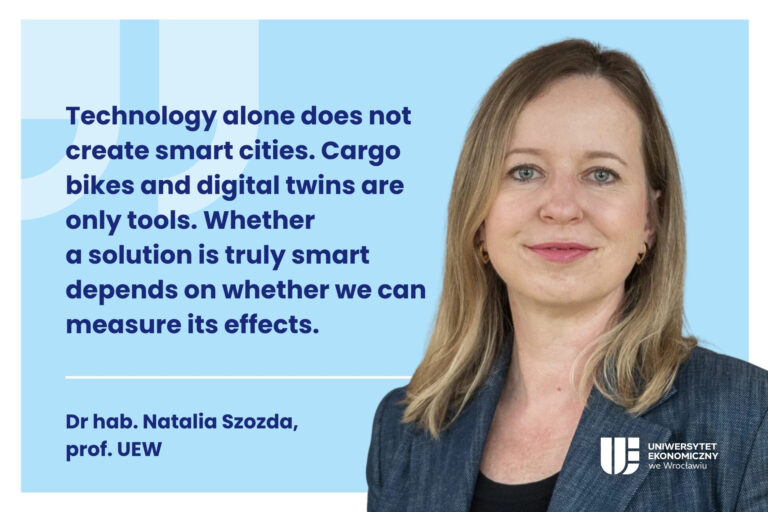
Wroclaw’s micro-hub at the Economic Forum. Natalia Szozda, Associate Professor, on when a city truly becomes smart
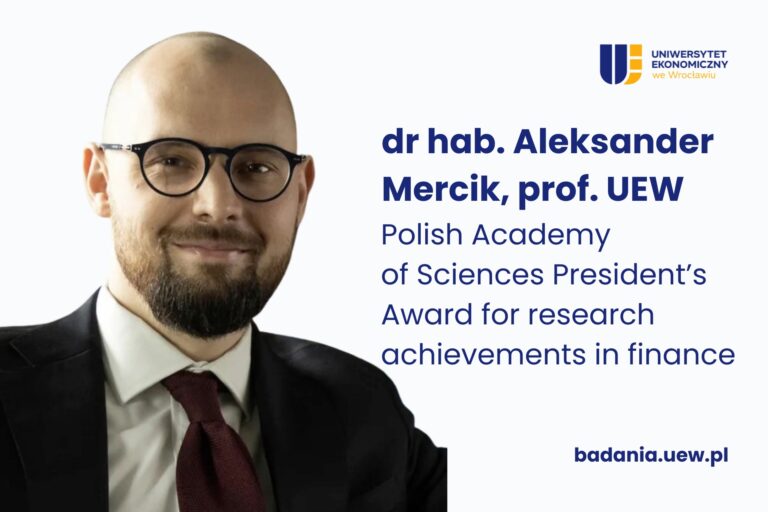
Dr hab. Aleksander Mercik, Professor of the WUEB, receives the Andrzej Gospodarowicz Award in Finance from the President of the Polish Academy of Sciences

WUEB Experts Weekly Review. Research, Projects and Academic Successes (5–11 October 2026)
Wroclaw University of Economics and Business researchers among the world’s leading scientists: six included in the 2026 World’s Top 2% Scientists database
WUEB Experts Weekly Review: Research, Projects and Academic Successes (28 September–4 October 2026)