

Growth economics, once a symbol of progress and prosperity, is increasingly under fire. Prof. Bożena Ryszawska (Dr hab., WUEB) argues that the problem of climate change may lie not only in CO₂ emissions or plastic in the oceans but in the economic system adopted three centuries ago. The system promised that unlimited economic growth would bring happiness, health and prosperity, yet its assumptions deserve re‑examination.
A system that was supposed to serve people – does it still?
The capitalist economic model is founded on continuous growth in production and consumption. For decades this principle drove innovation, globalisation and higher living standards. Growth, however, requires fuel: natural resources such as land, water, energy, forests and soil. We now know that exploiting these resources comes at a price. Production and consumption contribute to global threats ranging from ocean pollution to droughts, climate‑driven migration and extreme weather; the list of costs is growing faster than gross domestic product. Ryszawska points out that side effects of economic growth include waste, emissions and biodiversity loss and asks whether an economic model designed to deliver prosperity truly serves us.
Alternatives the world is discussing
In the scientific community new answers are emerging. They are neither easy nor comfortable, yet they are increasingly hard to ignore. Instead of an economy based solely on growth, researchers propose ecological economics, doughnut economics, the sharing economy, the circular economy and the post‑growth economy. These concepts share the conviction that development cannot continue in isolation from the planet’s ecological limits. Ecological economics emphasises that Earth’s resources are common goods that cannot be exploited indefinitely, while doughnut economics argues that we must stay within ecological boundaries while ensuring everyone a basic quality of life. Ryszawska suggests that these ideas offer more ethical and sustainable alternatives – and perhaps necessary ones.
Societies want change faster than politicians
Although changing the economic model may seem revolutionary, social expectations are rising. Poles increasingly invest in photovoltaic panels, purchase energy‑efficient appliances and demand systemic solutions. A CBOS survey shows that 80 per cent of citizens would like to use energy from renewable sources. Ecological awareness and economic calculations both support the green transition: renewable energy sources are now cheaper and more stable. Ryszawska observes that more and more people understand that the so‑called “green economy” is not an elite fad but a foundation of energy and social security in coming decades.
What next?
Perhaps now, amid climate, energy and social crises, is the time not merely to correct course but to question the path we have taken. The goal is not to overturn the entire system but to have the courage to think differently and start building an economic model that not only supports development but also protects what is most precious: the planet and future generations. The UEW portal reminds readers that talking about ecology is not enough – one needs to know where to look for answers.
See similar content
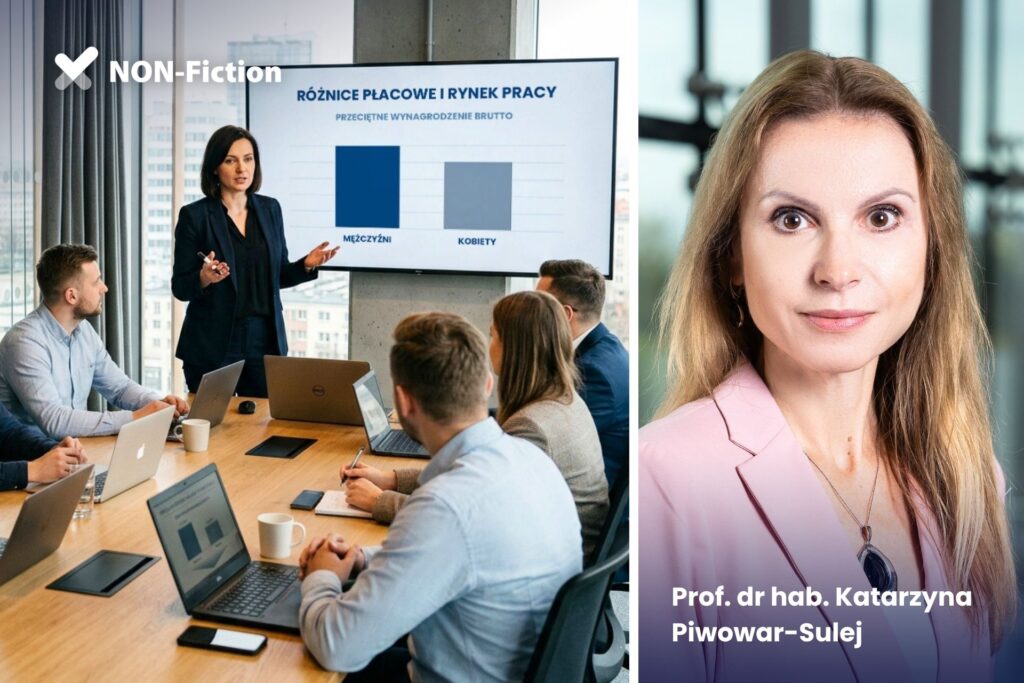
Women raise productivity and innovation in the economy. Yet female managers still earn one-fifth less

Computer and video games: economy, technology, society. Prof. Patrycja Klimas comments
A new era of space – humanity’s future or visionary wastefulness?
Donald Trump’s presidency, the EU Omnibus package and the climate emergency – how politics shapes the future of ESG
See also
How can economic fluctuations be smoothed? The 2026 Nobel Prize in Economic Sciences through the eyes of WUEB researchers
The World Within Wrocław’s Reach. How the PROM research mobilities confirm WUEB’s place on the map of global academia
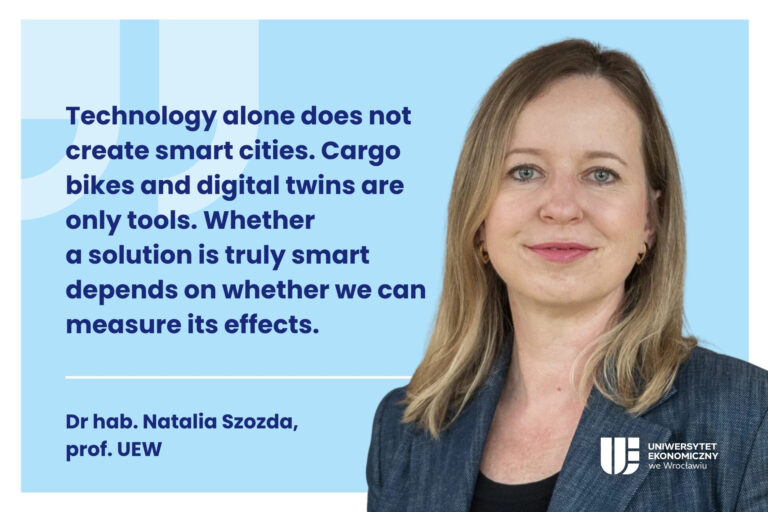
Wroclaw’s micro-hub at the Economic Forum. Natalia Szozda, Associate Professor, on when a city truly becomes smart
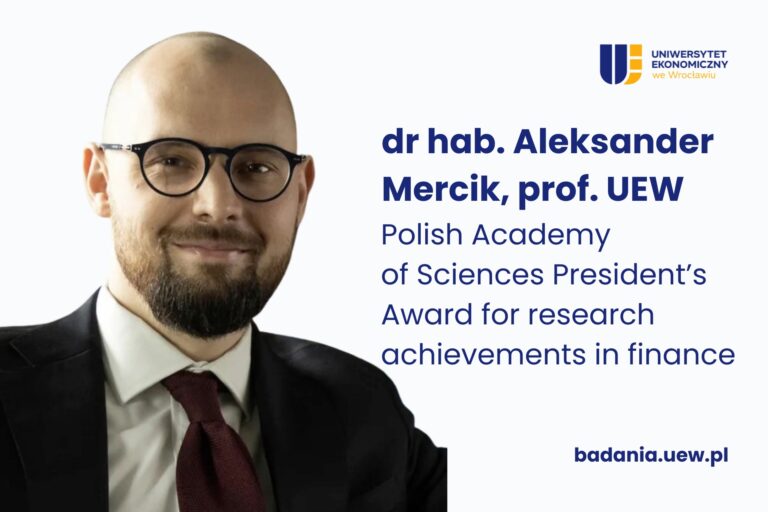
Dr hab. Aleksander Mercik, Professor of the WUEB, receives the Andrzej Gospodarowicz Award in Finance from the President of the Polish Academy of Sciences

WUEB Experts Weekly Review. Research, Projects and Academic Successes (5–11 October 2026)
Wroclaw University of Economics and Business researchers among the world’s leading scientists: six included in the 2026 World’s Top 2% Scientists database
WUEB Experts Weekly Review: Research, Projects and Academic Successes (28 September–4 October 2026)