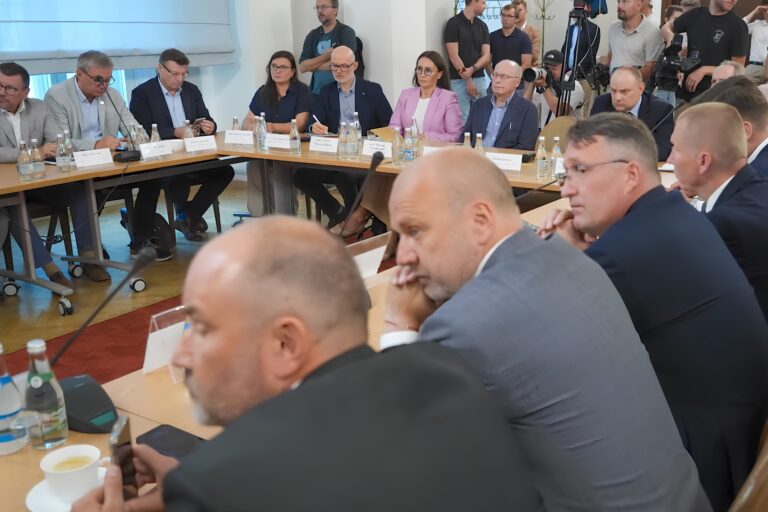

A radio debate offered a simple compass for uncertain times. Start by paying yourself first, build an emergency fund worth 3–6 months of expenses, then send the surplus to work—diversified and tax-aware.

“Pay yourself first”: make it automatic
Michał Kisiel, PhD(Wrocław University of Economics and Business) sets the basics: do not save “what is left”. Treat saving as the first bill of the month. Set a standing order on payday to a savings or earmarked account.
A practical starting point mentioned in the programme was around 10% of income. It is not a rigid rule. The habit matters more than the opening amount. For some it will be PLN 100–200; for others, more. Automation helps the money “leave sight” and keeps the routine.
Emergency fund: how many months?
The “gold standard” is 3-6 months of household spending. Only after building this cushion does investing make sense. The interview also cited a figure: 26% of respondents report buffers above six months. The aim is clear – avoid costly, stressed decisions (a broken washing machine, dental care, a fine). Surpluses can then be invested.
“Three to six times a household’s monthly expenses. That is the often-quoted gold standard for a reserve fund. And I think there is little sense in talking about systematic saving – let alone investing – if we do not have it. Start there, ideally with a smaller emergency pot for minor shocks, then move on to the rest.” – Dr Michał Kisiel.
Diversify and dose your risk
“I can’t save because there is nothing to save” is a common myth, noted by Dr Joanna Myślińska-Wieprow. Barriers are often habits and consumption pressure rather than pure arithmetic. The belief that “you need thousands to start” is also false. Many instruments allow small, regular amounts.
Diversification- across asset classes and markets is basic risk control. Not all in property. Not all in deposits.
Foreign markets and tax
Michał Żuławiński highlights that overseas investing is accessible via Polish and foreign brokers. This adds geographic diversification when much of life risk already sits in Poland. Do check tax handling – some foreign brokers do not prepare an automatic Polish taxes.
Employee Capital Plans, micro-transactions and “spare change”
If you have not opted out of Employee Capital Plans, you may already be saving. Bank round-up tools work similarly by skimming “spare change” into goals. Small streams add up – especially with compound interest.
Crisis scenarios: war, blackout, uncertainty:
In shocks, liquidity comes first:
- Cash in PLN for several days of essentials,
- Some EUR/USD (consider small denominations),
- A portion of gold in small, saleable bars/coins.
Banks may prove resilient, yet power or internet can fail. Think of this kit as insurance, not a return engine. As Żuławiński put it: “War multiplies uncertainty.”
When most wealth is “tied up”
For many households, the bulk of wealth is in property and cannot be liquidated quickly. That is why early, steady diversification – by asset class and geography – matters more than last-minute moves in panic.
Listen to the full interview: https://www.radiowroclaw.pl/articles/view/155346/Rozne-punkty-slyszenia-Zloto-gotowka-czy-nieruchomosci-Podpowiadamy-jak-oszczedzac-i-w-co-inwestowac
Three actions to take now
- Automate a transfer to savings (even 5-10%).
- Build a 3–6 month cushion before you invest.
Diversify: part outside Poland and beyond property; watch fees and tax.
Author: Barbara Grzelczak
See similar content

WUEB Experts Weekly Review. Research, Projects and Academic Successes (24 – 30 August 2026)
WUEB experts weekly rewiev. Research, Projects and Academic Successes (17–23 August 2026)
WUEB Experts Weekly Review. Research, Projects and Academic Successes (10–16 August 2026)
WUEB Experts Weekly Review: Research, Projects and Academic Successes (3–9 August 2026)
See also
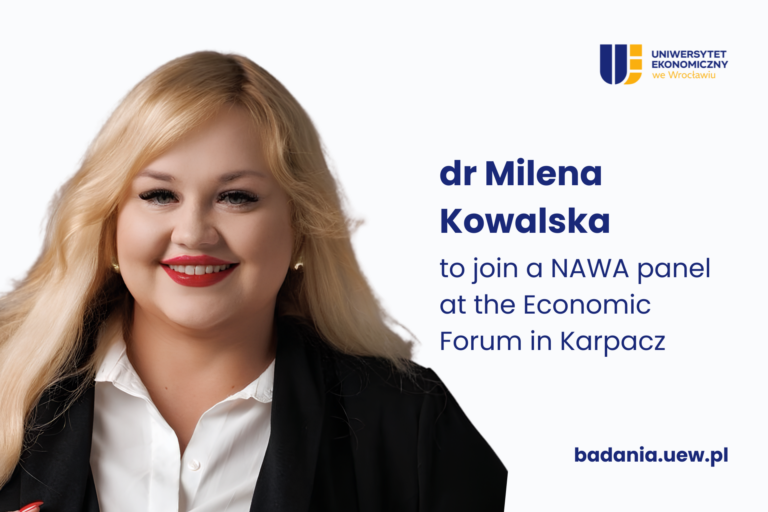
What comes after a PhD? Dr Milena Kowalska at the Economic Forum in Karpacz
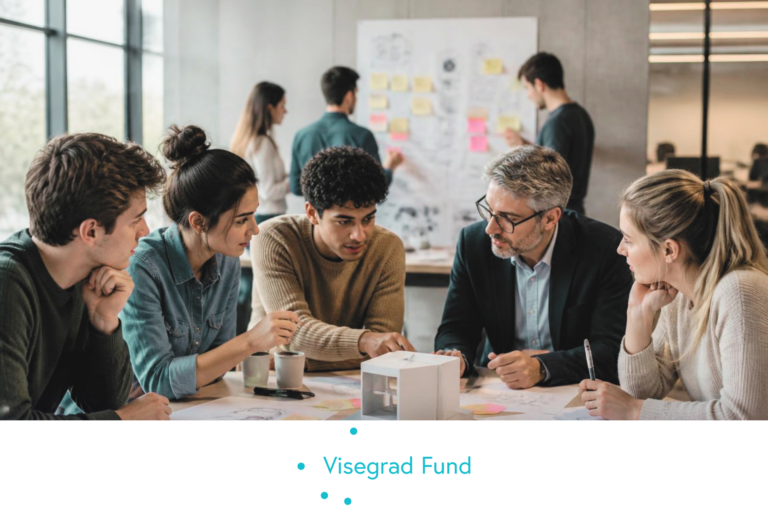
Bridging V4 Universities and Business through Design Thinking
WUEB Experts Weekly Review. Research, Projects and Academic Successes (24 – 30 August 2026)
Visual Simulation of Business Processes (WSPB) joins the Polish Roadmap for Research Infrastructures
WUEB experts weekly rewiev. Research, Projects and Academic Successes (17–23 August 2026)
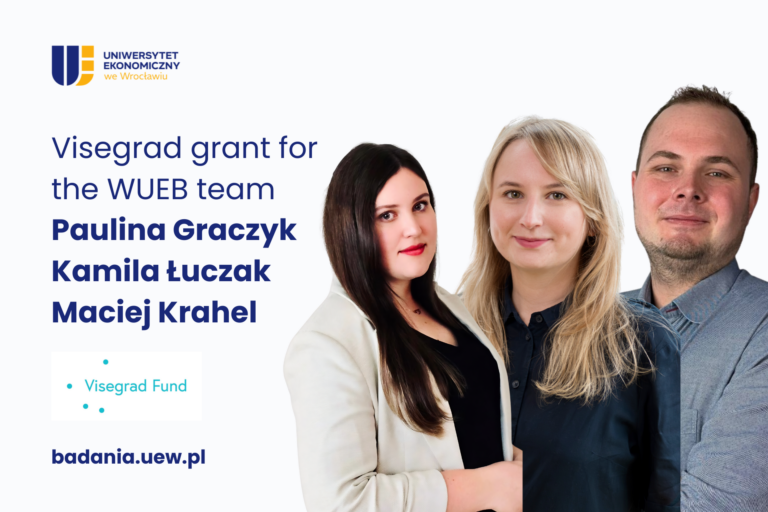
WUEB awarded Visegrad grant to study the skills gap across the V4
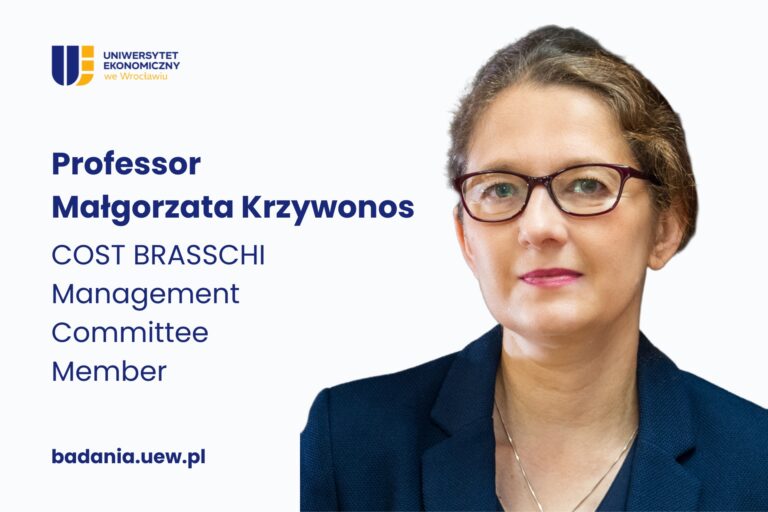
Prof Małgorzata Krzywonos joins the Management Committee of COST Action BRASSCHI