


Bitcoin is often described as the currency of the future. Dr hab. Aleksander Mercik, Professor of the WUEB argues, however, that it should currently be treated primarily as a high-risk investment. The WUEB expert specialises in investment, risk management and crypto-assets. He studies how Bitcoin and other digital assets perform against equities, bonds and gold, and whether they can complement an investor’s portfolio. In an interview with Radio Wrocław, he explained how Bitcoin differs from money in a bank account, how it grew from a niche project into part of the financial market and what prospective buyers should consider.
Bitcoin and the Polish zloty work differently
Money held in a bank account is already digital. This does not mean, however, that it operates in the same way as Bitcoin. The zloty is legal tender in Poland, and Narodowy Bank Polski has the exclusive right to issue currency. Banks maintain accounts and settle transactions within a system supervised by the state.
Bitcoin has no single issuer or institution with sole control over the system. Transaction data are entered in a shared digital ledger. Copies are maintained by network participants, who check that transactions are valid. New transactions are recorded in successive blocks approximately every ten minutes on average.
From two pizzas to the financial market
The change in Bitcoin’s value is illustrated by the purchase of two pizzas in May 2010. Programmer Laszlo Hanyecz paid 10,000 bitcoins for them, worth about USD 41 in total at the time. On 28 August 2026, the date of the broadcast, one bitcoin was worth approximately PLN 290,000. The 10,000 bitcoins would therefore have been worth close to PLN 3 billion on that date.
Such a large increase in value readily captures the imagination. It should not, however, obscure the risk. Bitcoin has repeatedly lost more than half its value. The possibility of large gains therefore comes with the possibility of equally severe losses.
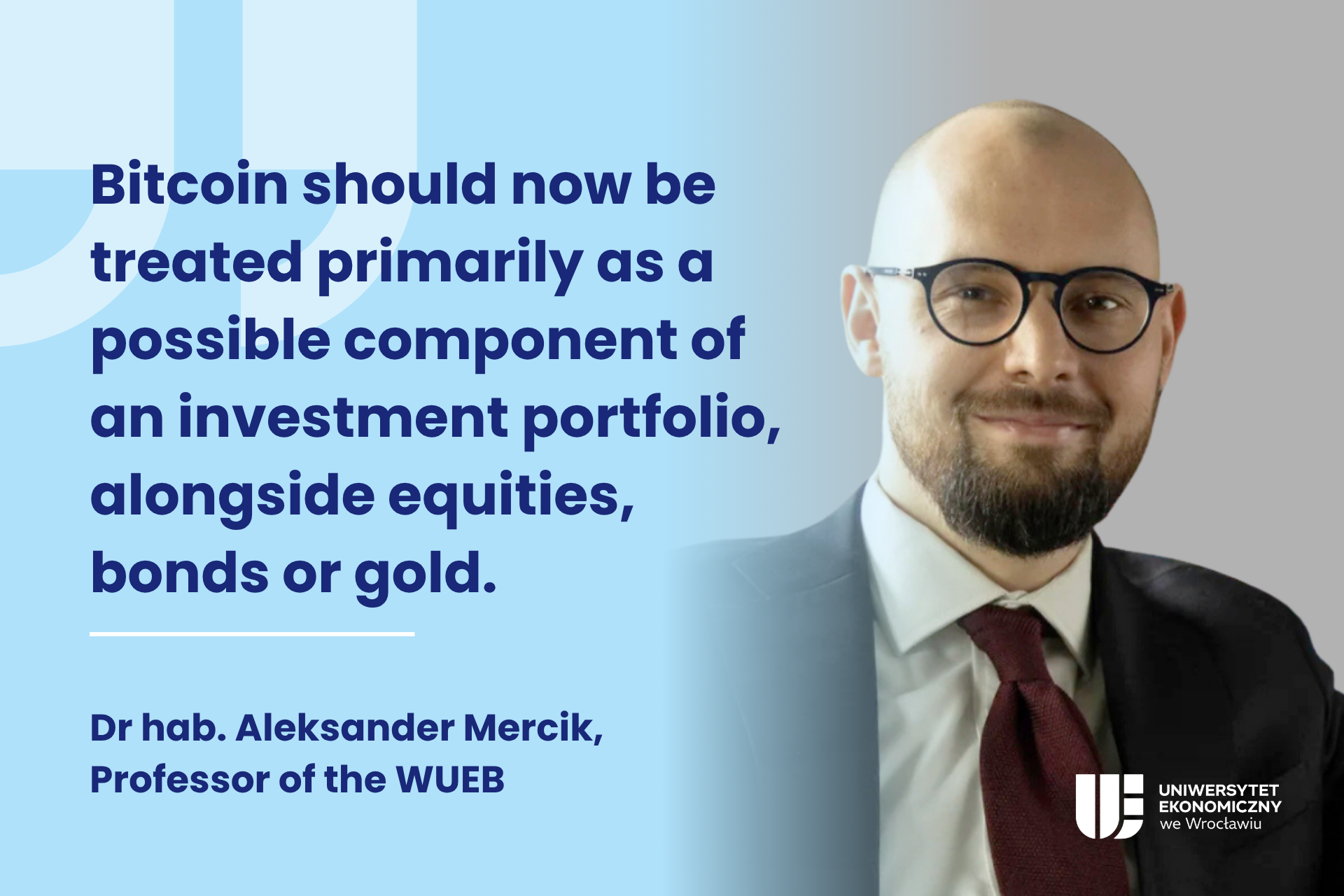
Bitcoin is no longer known only to a small group of programmers and technology enthusiasts. Funds and other financial products now allow people to invest in it. In the view of dr hab. Aleksander Mercik, Professor of the WUEB, Bitcoin should now be treated primarily as a possible component of an investment portfolio, alongside equities, bonds or gold. It is not a simple replacement for the zloty in everyday payments.
Bitcoin’s price is not the only risk
The interview began with problems experienced by customers of the Zondacrypto exchange. The expert stressed that difficulties affecting a company that facilitates cryptocurrency trading are not the same as a failure of the Bitcoin network. Customers who leave assets on an exchange entrust them to a particular company and depend on its financial position and security arrangements.
Moving bitcoins to a private wallet gives the owner control over access to the assets, but also makes them responsible for their protection. Access is provided by a private key. If it is lost and no securely stored backup exists, regaining access to the assets may be impossible.
We discussed the difference between the security of the technology and intermediary risk in ‘Cryptocurrencies and the real source of risk’.
Will cryptocurrencies replace conventional money
The expert is cautious about forecasts that cryptocurrencies will replace conventional money within a decade. Most everyday transactions are already digital, but they are still handled by banks and other institutions. Bitcoin offers a different model based on a network of many independent participants.
Will this model become widely used? Aleksander Mercik does not offer a definitive answer. The cryptocurrency market has expanded rapidly, but it still faces financial and technological problems.
The interview does not determine whether Bitcoin is a good investment. It does show that, before buying, people should understand what they are purchasing, how their assets will be held and what risks they are accepting.
Listen to the full interview on Radio Wrocław: https://www.radiowroclaw.pl/articles/view/163457/Rozmowa-dnia-Prof-Aleksander-Mercik-ekspert-w-zakresie-inwestycji-i-ryzyka
Read also:
- Cryptocurrencies and the real source of risk
- Stablecoins: stability and investment in crypto-assets
- Leverage is unforgiving: how three cryptocurrency trades can wipe out a portfolio
- More content featuring dr hab. Aleksander Mercik, prof. UEW
Author: Barbara Grzelczak
See similar content

WUEB Experts Weekly Review. Research, Projects and Academic Successes (19–25 October 2026)
WUEB Experts Weekly Review. Research, Projects and Academic Successes (12–18 October 2026)

How can economic fluctuations be smoothed? The 2026 Nobel Prize in Economic Sciences through the eyes of WUEB researchers
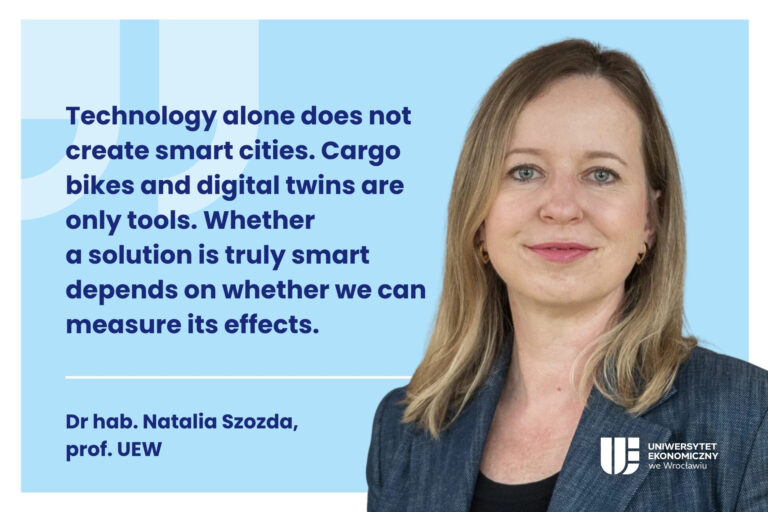
Wroclaw’s micro-hub at the Economic Forum. Natalia Szozda, Associate Professor, on when a city truly becomes smart
See also
WUEB Experts Weekly Review. Research, Projects and Academic Successes (19–25 October 2026)
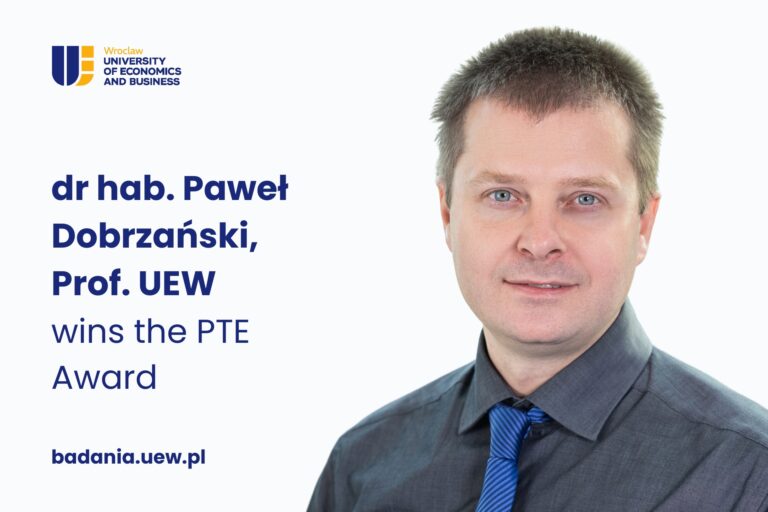
Why do some regions of Europe grow faster than others? Dr hab. Paweł Dobrzański, Associate Professor at UEW, wins the PTE Award
WUEB Experts Weekly Review. Research, Projects and Academic Successes (12–18 October 2026)
How can economic fluctuations be smoothed? The 2026 Nobel Prize in Economic Sciences through the eyes of WUEB researchers
The World Within Wrocław’s Reach. How the PROM research mobilities confirm WUEB’s place on the map of global academia
Wroclaw’s micro-hub at the Economic Forum. Natalia Szozda, Associate Professor, on when a city truly becomes smart

Dr hab. Aleksander Mercik, Professor of the WUEB, receives the Andrzej Gospodarowicz Award in Finance from the President of the Polish Academy of Sciences