
A generational shift shaping a new market reality. Can celebrations truly happen without alcohol? Generation Z is proving that they can — and in doing so, they’re reshaping the entire beverage landscape. In place of traditional beer: alcohol-free alternatives. Instead of full-bodied wines: their non-alcoholic counterparts. But is this just a passing trend, or the beginning of a lasting change in lifestyle? Researchers from the Wroclaw University of Economics and Business (WUEB) offer insights based on recent findings.
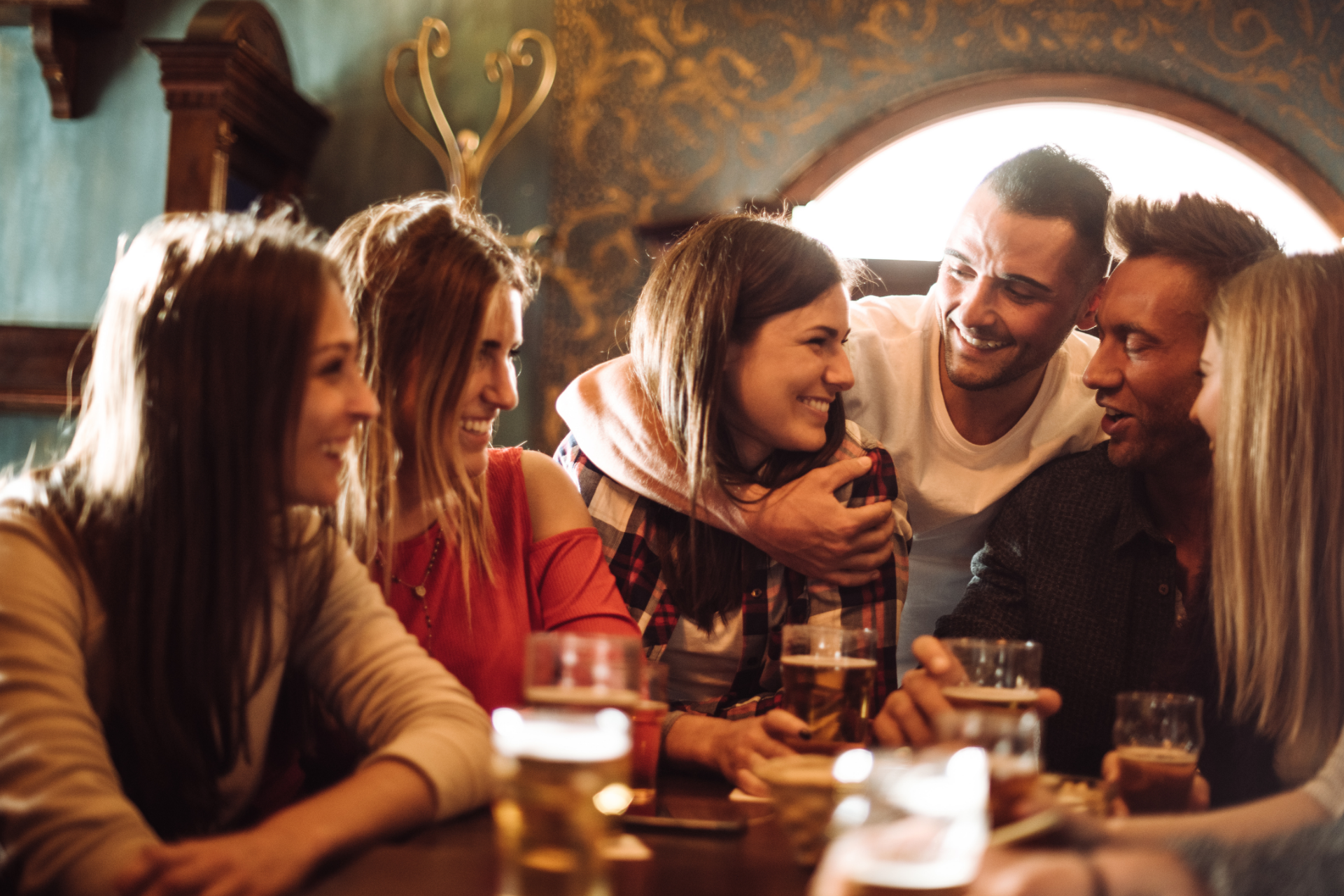
Conscious, healthy, and inclusive consumption choices
In their article “Non-Alcoholic Beer and Wine in Poland”, published in a scientific volume on sustainable development, Dr. Agnieszka Piekara, Aleksandra Piestrak, Eng., and Anna Noworolska-Maj, Eng. examine the shifting patterns of alcohol consumption in Poland, particularly among younger consumers. Their research, conducted at the Department of Process Management at WUEB, explores the topic through social, cultural, and regulatory lenses.
At the heart of this transformation is Generation Z — those born between 1995 and 2010 — who place increasing value on health, mental wellbeing, and environmental awareness. “No-lo” beverages (low- or no-alcohol) cater to these values, offering social enjoyment without compromising on lifestyle priorities.
0% Beer: Convenient, legal, and increasingly popular
Although Polish legislation does not provide a formal definition of non-alcoholic beer, beverages with an alcohol content below 0.5% ABV are typically considered non-alcoholic. According to the Act on Upbringing in Sobriety, only drinks containing over 0.5% ABV are legally defined as alcoholic beverages.
The article reveals that the Polish market for 0% beer has quadrupled in value within five years, now exceeding PLN 1.17 billion, and accounting for roughly 7.5% of total beer sales. In peak season, one in five new beer products launched is alcohol-free.
Key drivers of this growth include road safety, absence of side effects, suitability for pregnant individuals or those taking medications — and increasingly, product quality. Taste profiles of non-alcoholic beers now rival their alcoholic counterparts, making them a credible alternative.
Non-Alcoholic Wine: A niche with growing promise
The wine segment poses different challenges. EU regulations require wine to contain a minimum of 8.5% alcohol by volume, meaning that “non-alcoholic wine” is a simplified term for beverages that undergo de-alcoholisation processes, such as vacuum distillation or reverse osmosis.
Though still emerging, this market segment is gaining momentum. Online sales are rising, and consumers are expressing greater interest in vegan and halal-certified options — reflecting broader ethical and cultural considerations.
A public health opportunity – with caution
The authors also point to important risks. First, some non-alcoholic beverages are high in sugar, raising health concerns of a different kind. Second, the normalisation of drinking behaviours — even without alcohol — in social settings may carry unintended cultural consequences.
Nevertheless, the rise of “no-lo” options offers an opportunity to redefine consumption norms in a way that promotes public health and social inclusivity, while encouraging innovation in the beverage industry.
What’s next?
The study by Dr. Piekara, Eng. Piestrak, and Eng. Noworolska-Maj highlights a fast-evolving market shaped by new generational preferences. These shifts carry implications for manufacturers, regulators, and public health institutions alike.
Citation:
Explore more:
- Discover WUEB’s research projects in the field of health, consumer behaviour, and sustainable development
- See also: Consumer trends and sustainability – a research overview
badania.uew.pl – because the world needs knowledgeable voices when noise drowns out reason.
View related content

Video games are more than entertainment. WUEB researchers on cooperation between game developers and the cultural and creative industries

Space Logistics, Interplanetary Supply Chains and Interdisciplinary Research and Educational Projects Related to Space at UEW in Jelenia Góra
Wrocław has FinTech potential. A WUEB expert argues it is time to turn that potential into advantage
Academic Entrepreneurship as Architecture of Impact. The New Issue of „Impakt Dolny Śląsk” (2/2025)
See also
Vitamins C and D in a single plant-based gel: UEW researcher awarded NCN grant

Joanna Radomska of WUEB awarded the title of professor
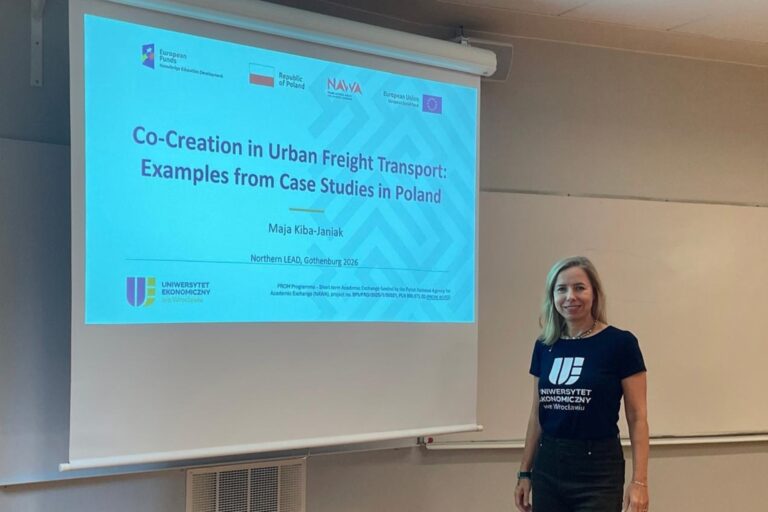
How can solutions for urban freight transport be co-created? Dr hab. inż. Maja Kiba-Janiak’s, Professor of the WUEB research fellowship in Gothenburg

WUEB Experts Weekly Review: Research, Projects and Academic Successes (21–27 September 2026)
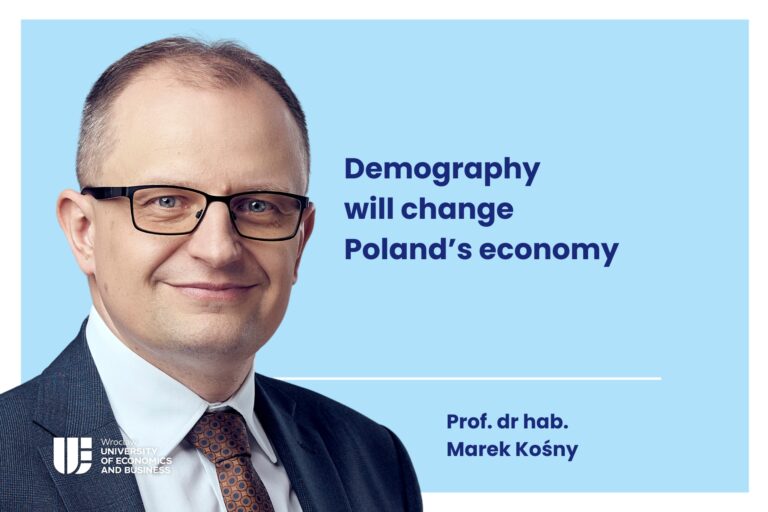
Poland’s demographic crisis: Professor Marek Kośny on the economic consequences
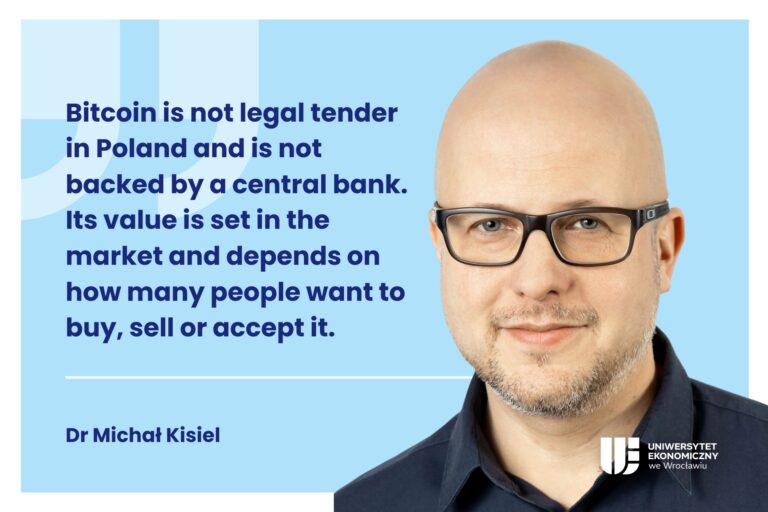
What is Bitcoin and How is it Changing Finance? dr Michał Kisiel on the Future of Money
WUEB Experts Weekly Review: Research, Projects and Academic Successes (14–20 September 2026)