

Every city has a last-mile problem. Wrocław decided to solve it — and invited science to the table.
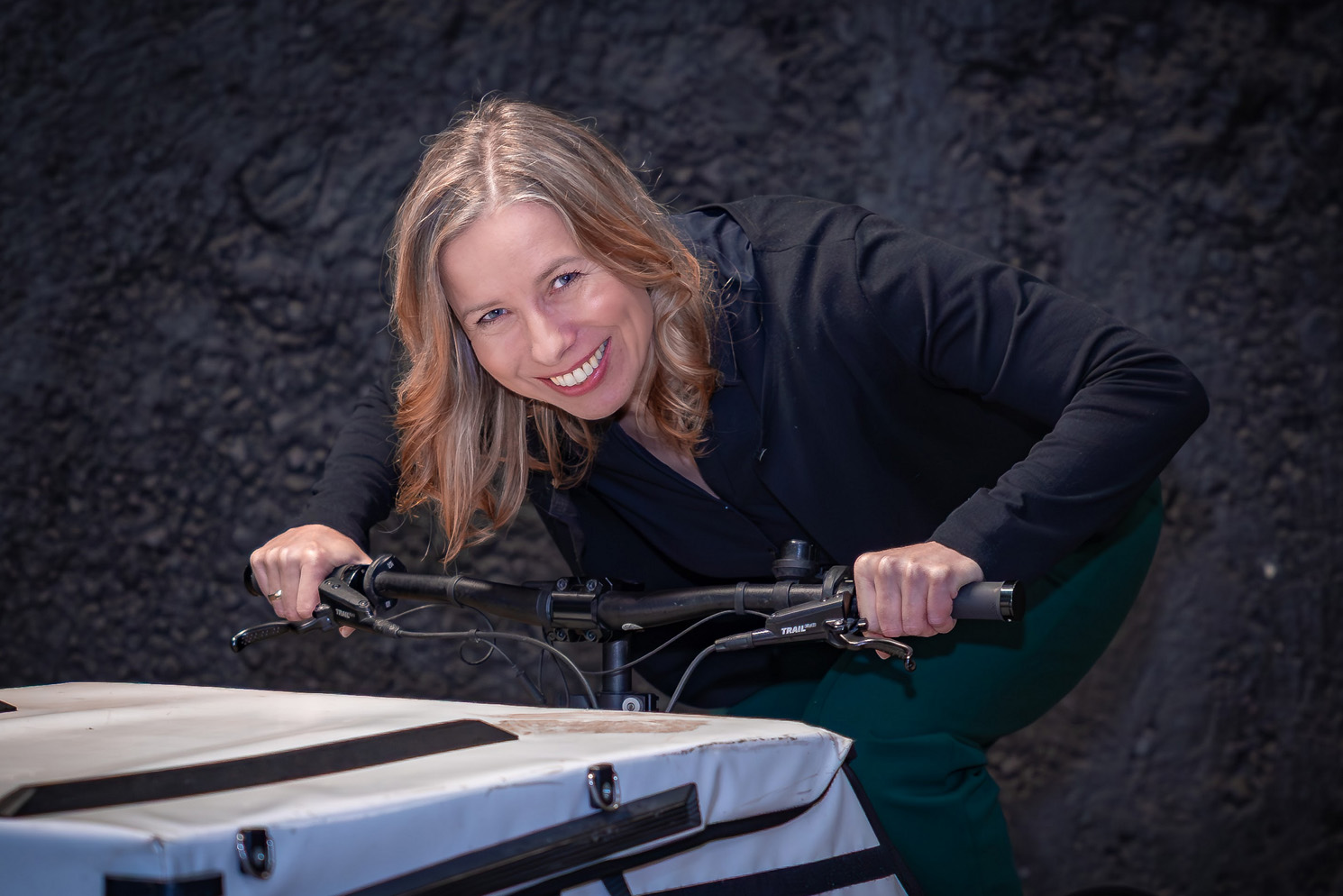
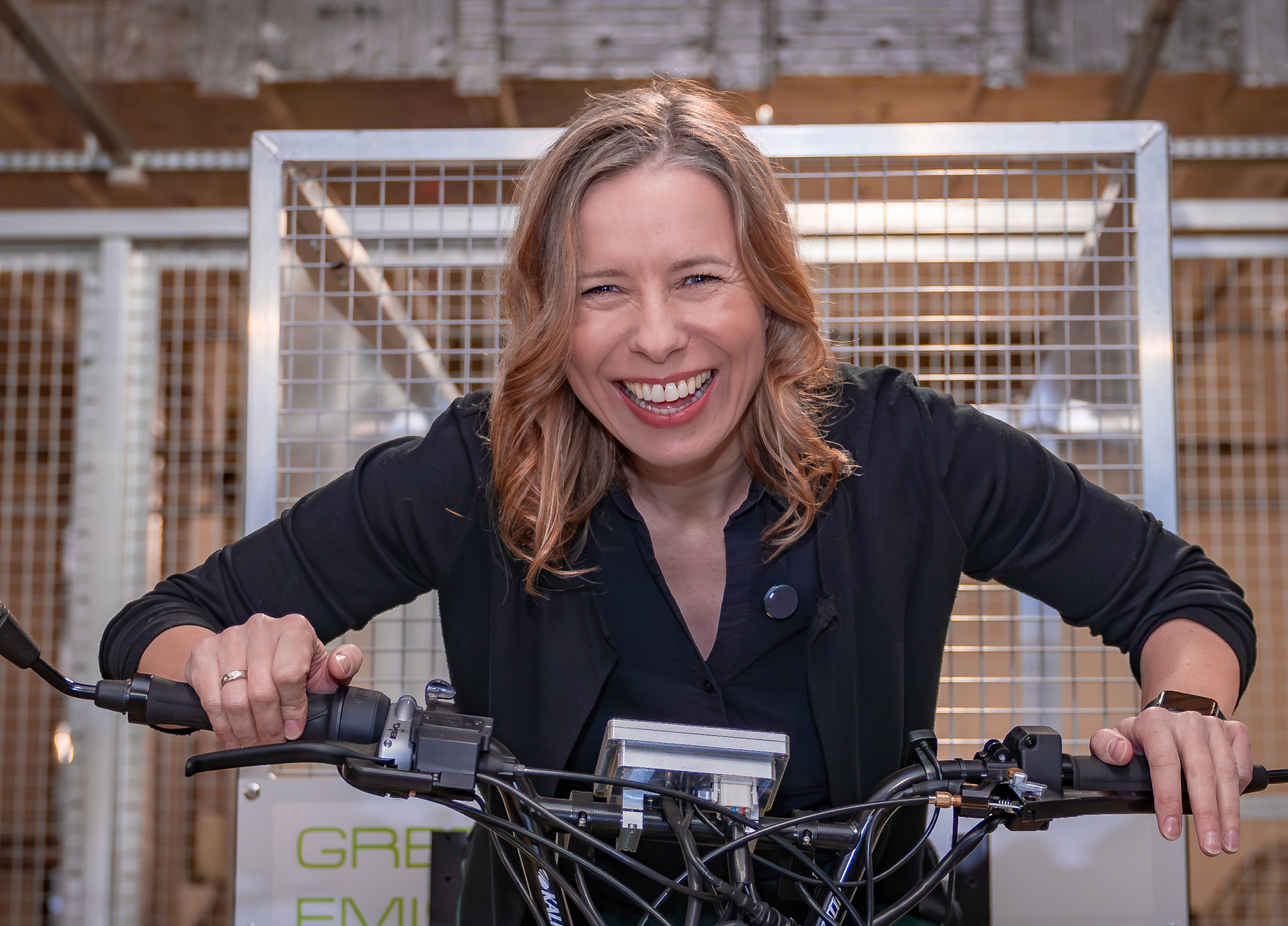
Maja Kiba-Janiak, PhD (Habil.), Associate Professor at the Wrocław University of Economics and Business, has been named among the laureates of the 30 Creatives of Wrocław 2026 competition in the Science/Technology category. The award recognises her sustained contribution to urban logistics in Wrocław, her coordination of the Partnership for the Quality of Freight Servicing in the historic city centre, and her central role in co-creating Poland’s first shared micro-hub at the National Forum of Music. The jury of this year’s edition included Ałła Witwicka-Dudek, Director of the Centre for Business Cooperation at the Wrocław University of Economics and Business — a presence that reflects the university’s standing as an active partner in Wrocław’s innovation ecosystem.
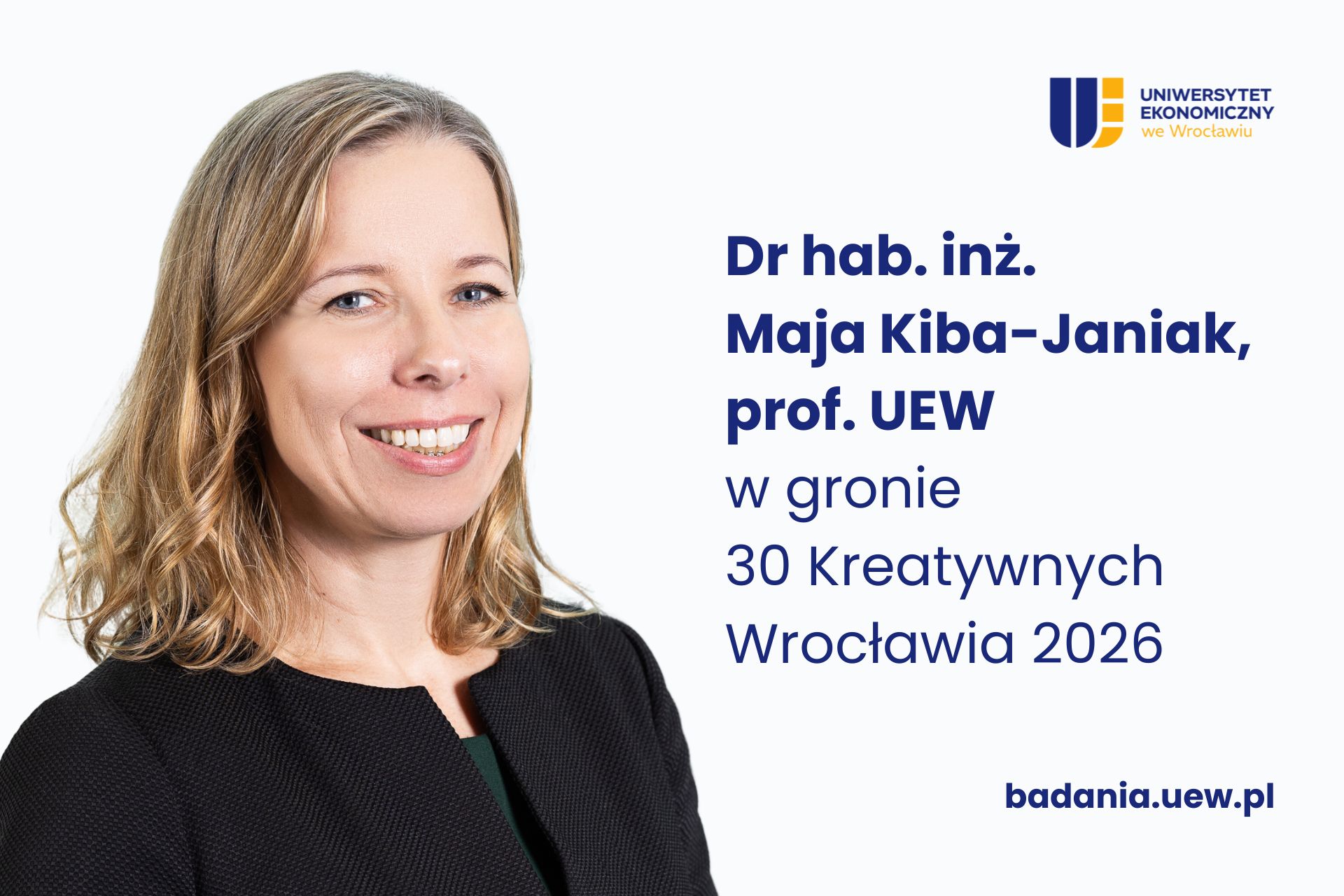
Professor Kiba-Janiak has worked in urban logistics for many years, and her activity in Wrocław extends well beyond the university. In 2023 she took on the role of coordinator of the Partnership for the Quality of Freight Servicing in Wrocław’s historic city centre, established through a letter of intent between the Wrocław University of Economics and Business and the City of Wrocław.
Research That Brings Stakeholders Together
Under her coordination, the Partnership has grown to 22 organisations, bringing together representatives of courier companies, food distributors, e-commerce platforms, foundations, associations, and cargo bicycle manufacturers. Professor Kiba-Janiak created a space for collaboration among communities that operate according to very different operational logics but must find shared solutions within the same urban environment. This is precisely where her work demonstrates the strength of applied research: it does not stop at diagnosing a problem, but leads to coordinated action, the facilitation of co-design processes, and the implementation of solutions that hold up in practice.
From Research to Implementation
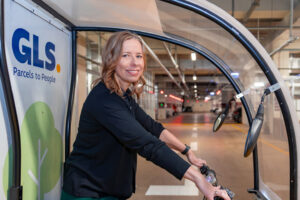
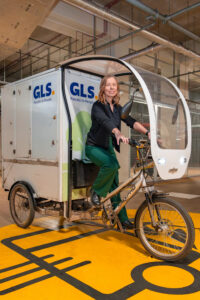
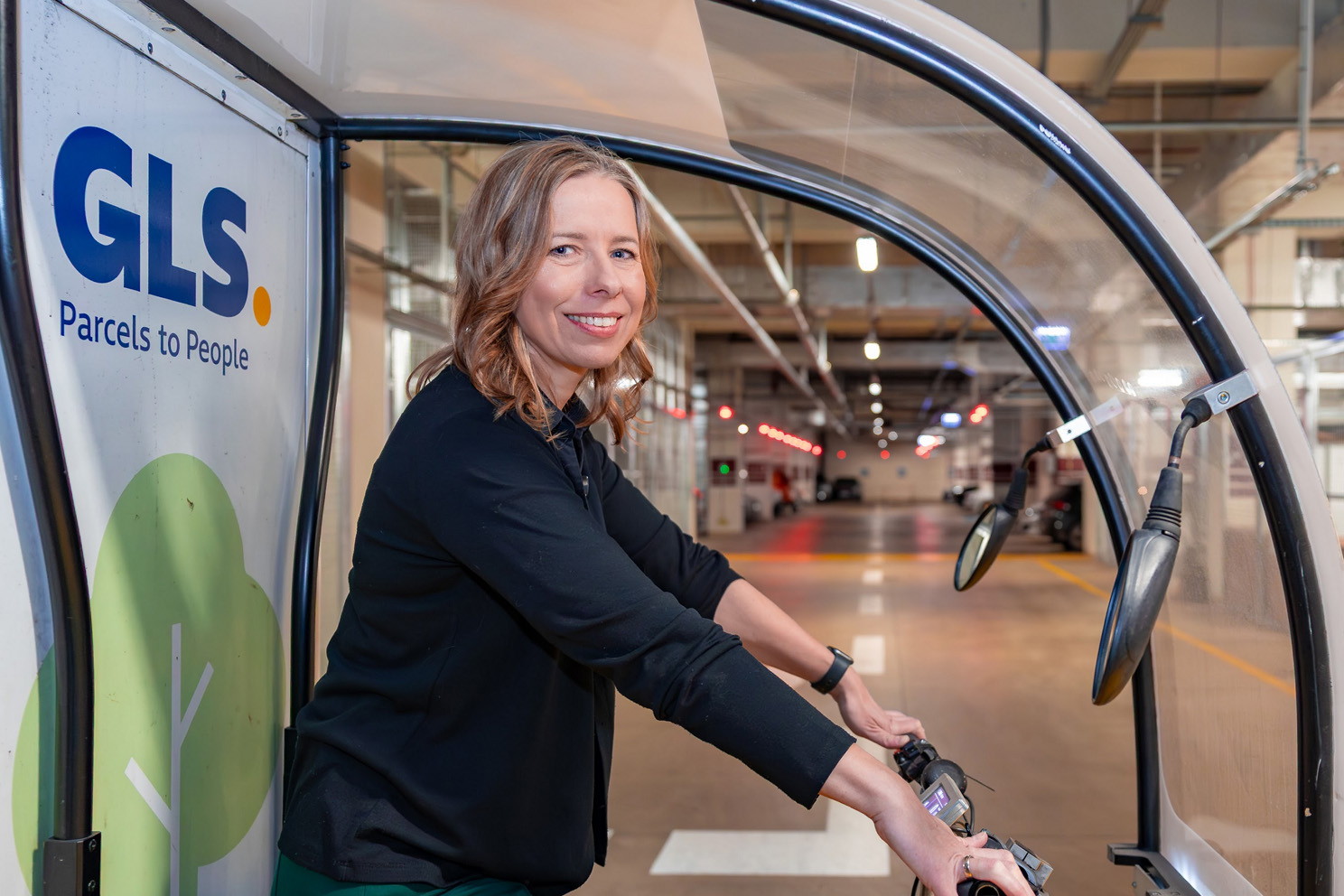
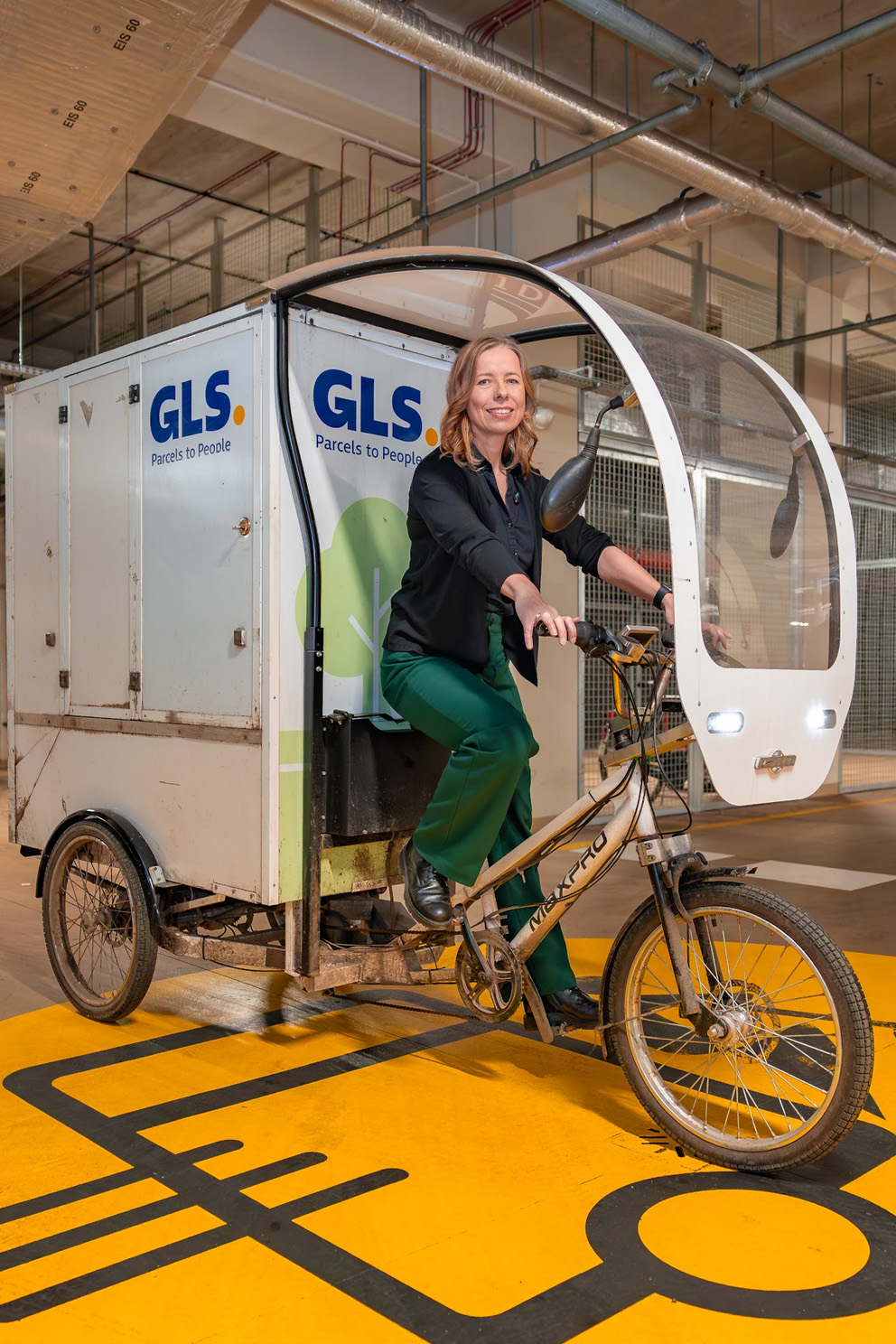
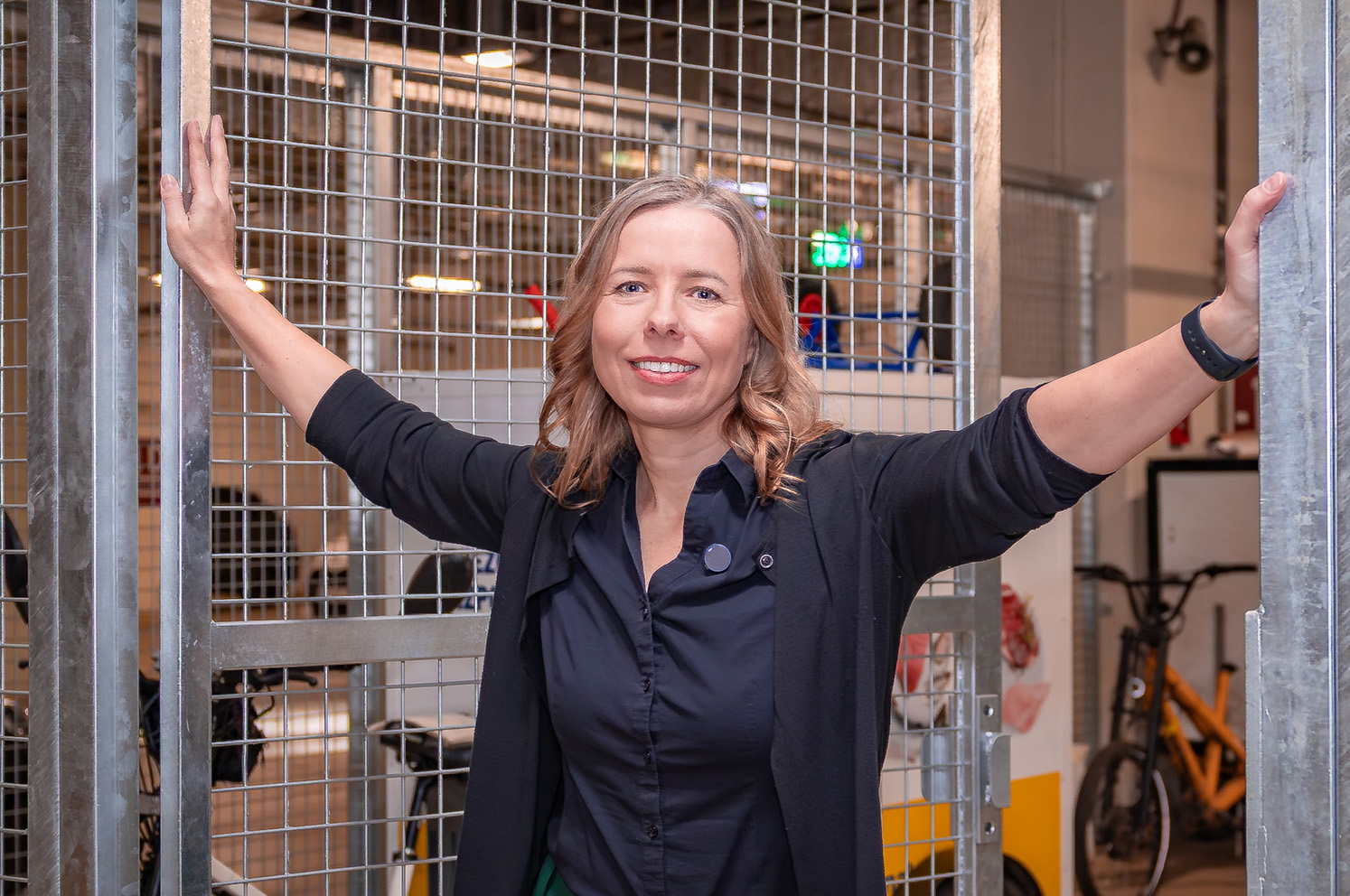
One of the most significant outcomes of this collaboration is Poland’s first shared micro-hub, located in a car park adjacent to the National Forum of Music. In developing it, Professor Kiba-Janiak drew on her own expertise as well as findings from research conducted at micro-hubs in Utrecht and Sydney. She facilitated a series of co-design workshops attended by representatives of the city administration, courier companies, and the car park operator. In parallel, she gathered and organised operational data on parcel volumes, vehicle types, and delivery schedules, translating them into concrete design recommendations.
A Model for the Modern City
The Wrocław micro-hub demonstrates that well-designed collaboration between academia, local government, and business can produce solutions that advance climate goals, improve delivery logistics, and raise the quality of urban life. It is a model that can be developed and adapted in other cities. The 30 Creatives of Wrocław award confirms that applied research can change cities when a researcher takes on not only the work of analysis, but the responsibility of implementation. Congratulations.


badania.uew.pl — because the world needs competent voices when noise drowns out reason.
Author of text: Justyna Morawska-Płoskonka
Zobacz podobne treści
Dr hab. Aleksander Mercik, Professor of the WUEB, receives the Andrzej Gospodarowicz Award in Finance from the President of the Polish Academy of Sciences
Wroclaw University of Economics and Business researchers among the world’s leading scientists: six included in the 2026 World’s Top 2% Scientists database
Vitamins C and D in a single plant-based gel: UEW researcher awarded NCN grant
Joanna Radomska of WUEB awarded the title of professor
Zobacz również

WUEB Experts Weekly Review. Research, Projects and Academic Successes (12–18 October 2026)
How can economic fluctuations be smoothed? The 2026 Nobel Prize in Economic Sciences through the eyes of WUEB researchers
The World Within Wrocław’s Reach. How the PROM research mobilities confirm WUEB’s place on the map of global academia
Wroclaw’s micro-hub at the Economic Forum. Natalia Szozda, Associate Professor, on when a city truly becomes smart
Dr hab. Aleksander Mercik, Professor of the WUEB, receives the Andrzej Gospodarowicz Award in Finance from the President of the Polish Academy of Sciences
WUEB Experts Weekly Review. Research, Projects and Academic Successes (5–11 October 2026)
Wroclaw University of Economics and Business researchers among the world’s leading scientists: six included in the 2026 World’s Top 2% Scientists database