

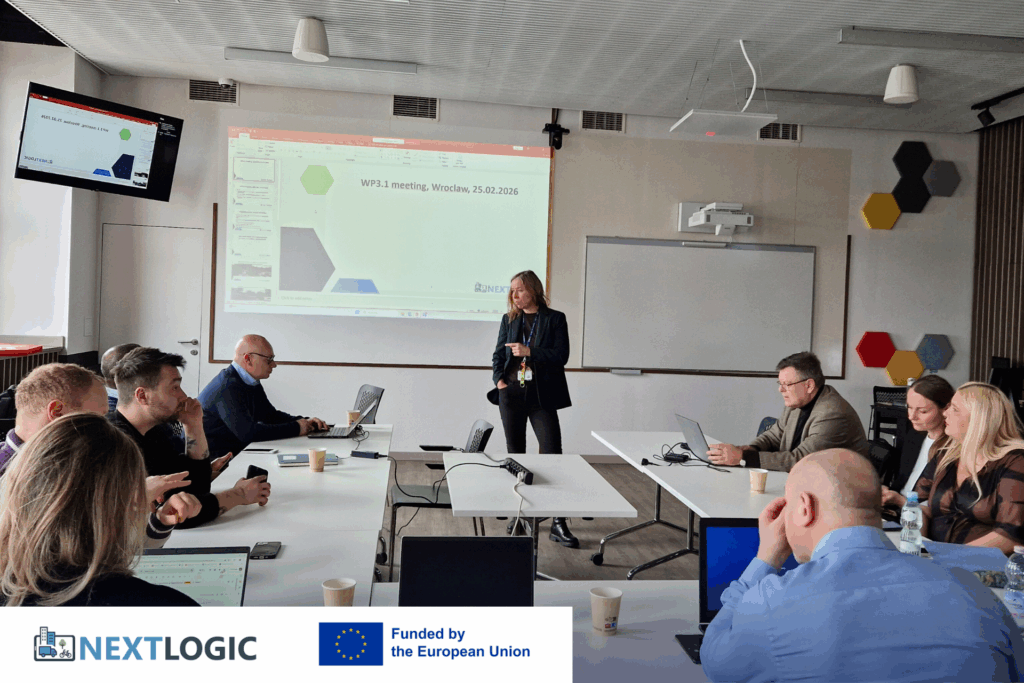
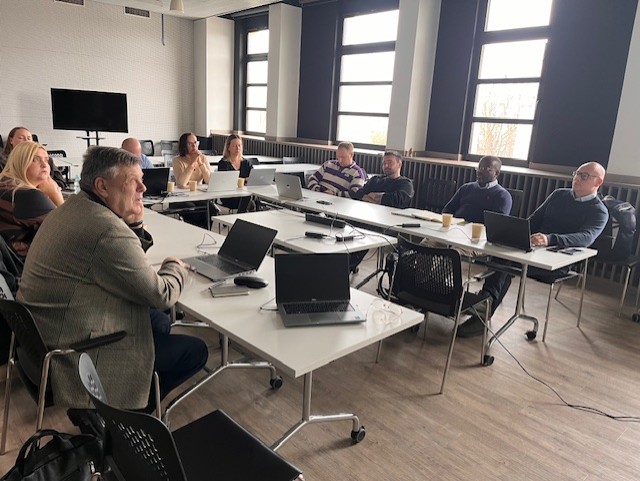
On 24-25 February 2026, a meeting was held as part of the NextLogic project, including study visits to microhubs in Berlin, Poznań and Wrocław, as well as a workshop at the Wroclaw University of Economics and Business. The meeting was attended by representatives of WUEB, the City of Wrocław and DB InfraGO AG in person, while the remaining consortium partners from Germany, Luxembourg, the Netherlands, Slovakia, the Czech Republic and Italy joined online. Wroclaw University of Economics and Business was represented by Assoc. Prof. Maja Kiba-Janiak, PhD Eng., Prof. Jarosław Witkowski, PhD, Assoc. Prof. Natalia Szozda, PhD, Assoc. Prof. Agnieszka Jagoda, PhD, Dr Tomasz Kołakowski, and Assoc. Prof. Krzysztof Nowosielski, PhD, who participated remotely.
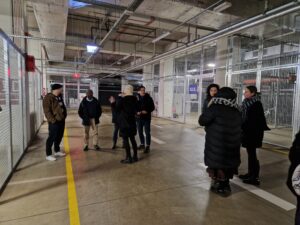
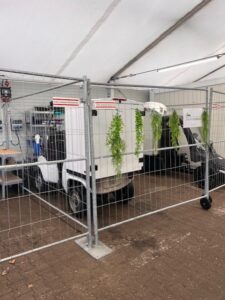
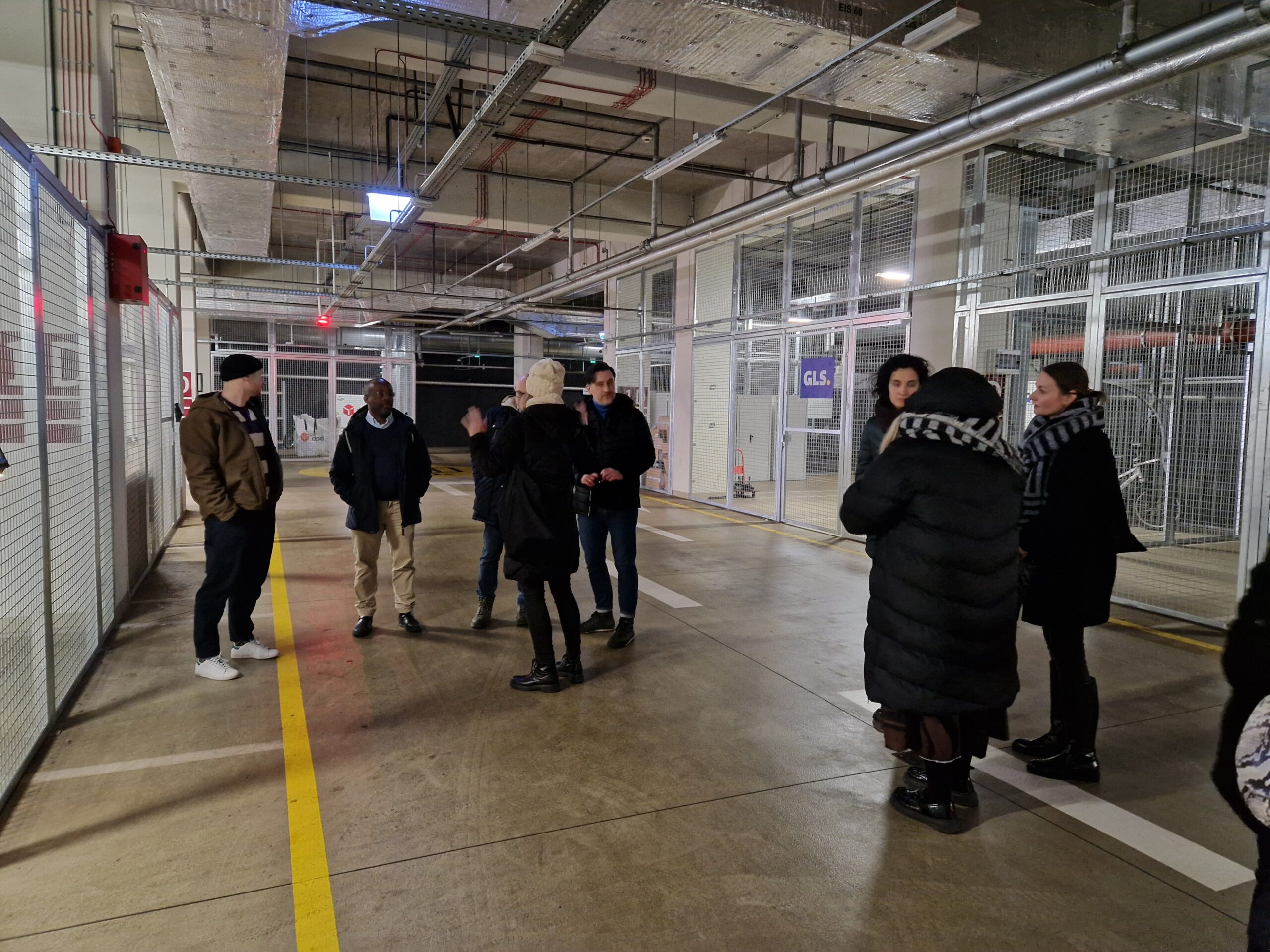
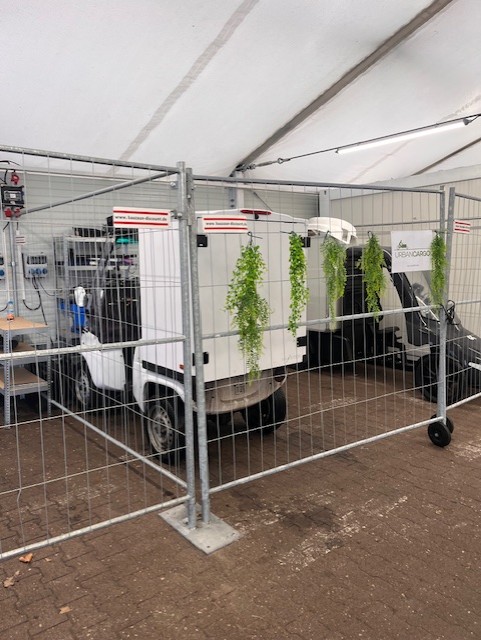
On the first day, the participants visited two microhubs in Berlin, reviewed a new modular solution, and then visited the hub in Poznań. The discussions focused on the practical aspects of microhub operations, their scalability, and their potential for replication in other cities.
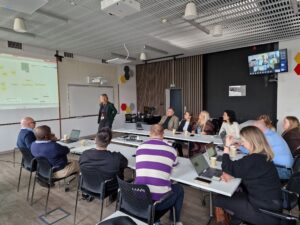
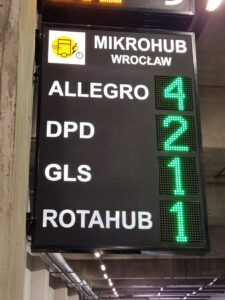
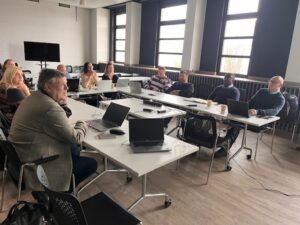
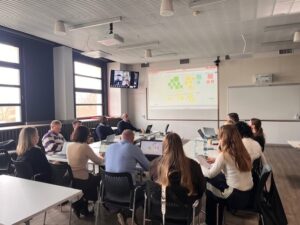
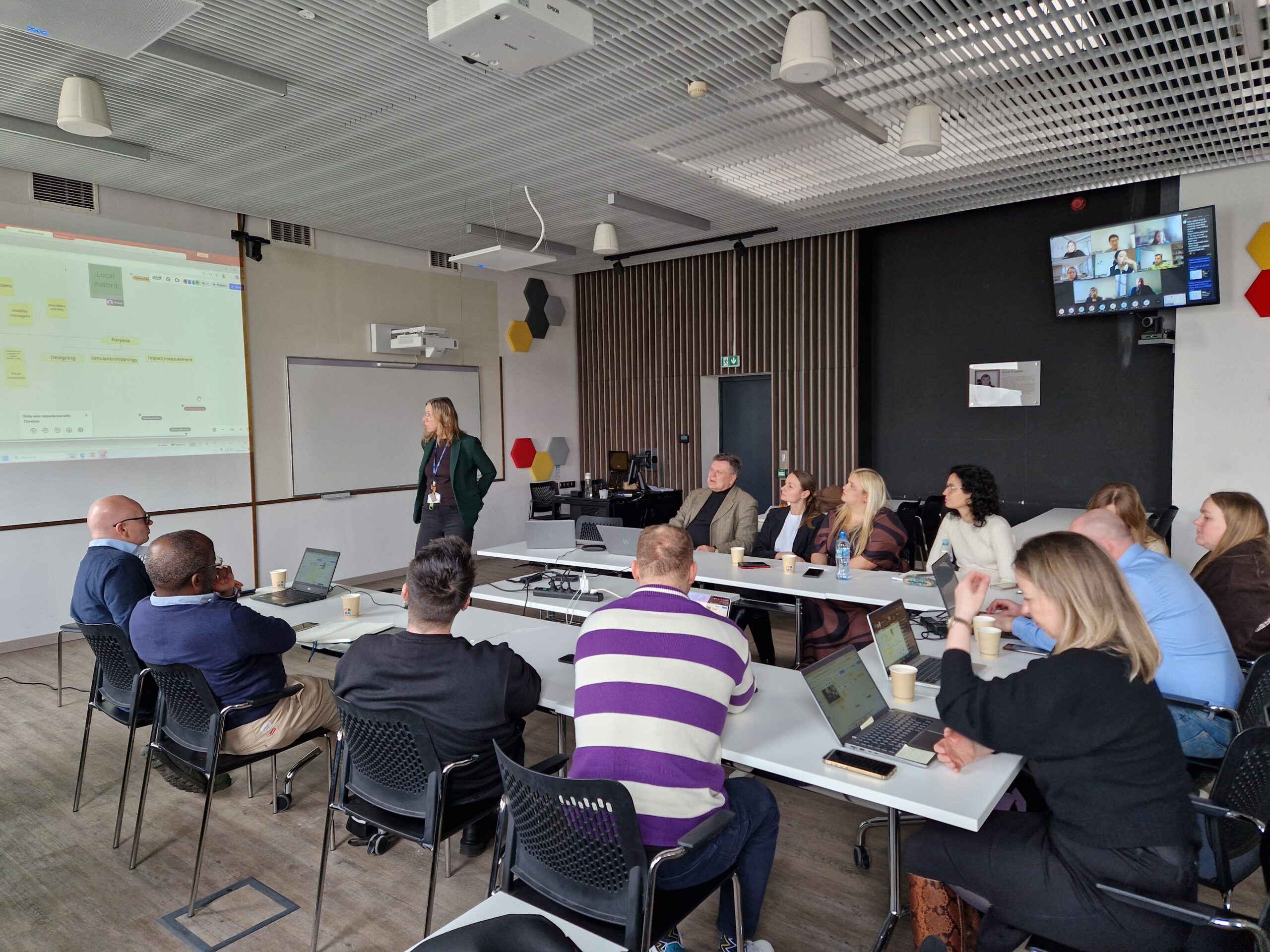
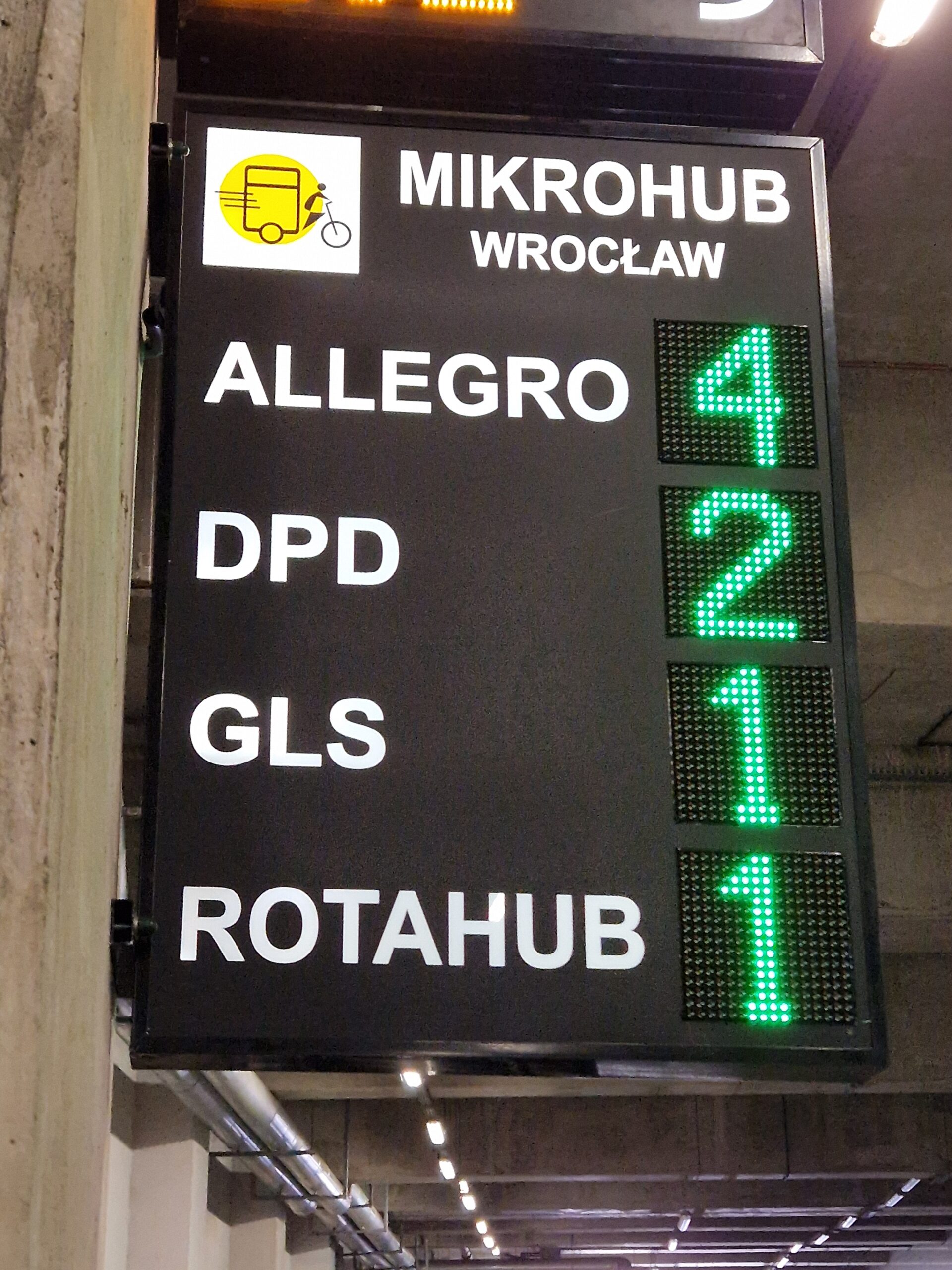
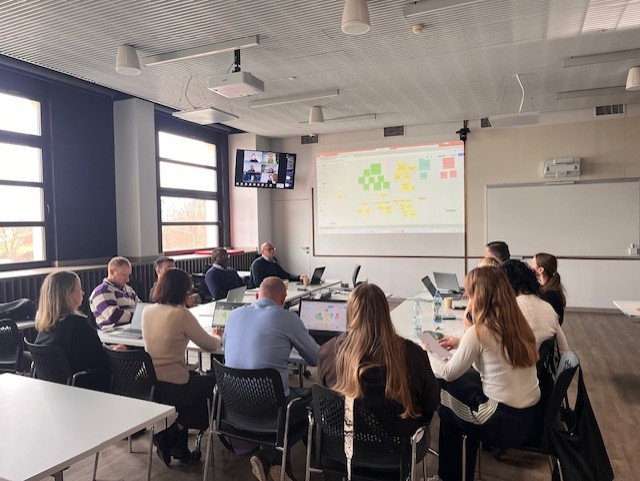
On the second day, the participants visited the shared microhub in Wrocław and took part in a workshop at WUEB devoted to the implementation of new microhubs and their integration with digital solutions within the NextLogic project. A key theme of the workshop was to define the role of the Digital Twin and VR technology in the design, simulation, and subsequent monitoring of the operation of new microhubs.
In particular, the participants identified and classified stakeholders, defined the scope of data that could be used, and discussed the possibilities for simulating hub locations, analysing routes, emissions, and efficiency indicators. The need for a clear definition of end-user needs was also highlighted, as was the importance of the co-creation process with stakeholders in each of the pilot cities.
It was emphasised that the Digital Twin tool should primarily support the decision-making processes of municipal authorities, while also enabling analysis of environmental impact and logistics service quality. The need for further clarification of the data scope and the timetable of activities was also agreed in order to ensure the effective delivery of actions within the NextLogic project.
This project has received funding from the European Union’s Horizon Europe research and innovation programme under grant agreement No. 101238585.
Funded by the European Union. Views and opinions expressed are however those of the author(s) only and do not necessarily reflect those of the European Union or European Climate, Infrastructure and Environment Executive Agency (CINEA). Neither the European Union nor the granting authority can be held responsible for them.
Authors: Justyna Morawska-Płoskonka, dr hab. Agnieszka Jagoda, prof. UEW
See similar content
See also

WUEB Experts Weekly Review. Research, Projects and Academic Successes (12–18 October 2026)
How can economic fluctuations be smoothed? The 2026 Nobel Prize in Economic Sciences through the eyes of WUEB researchers
The World Within Wrocław’s Reach. How the PROM research mobilities confirm WUEB’s place on the map of global academia
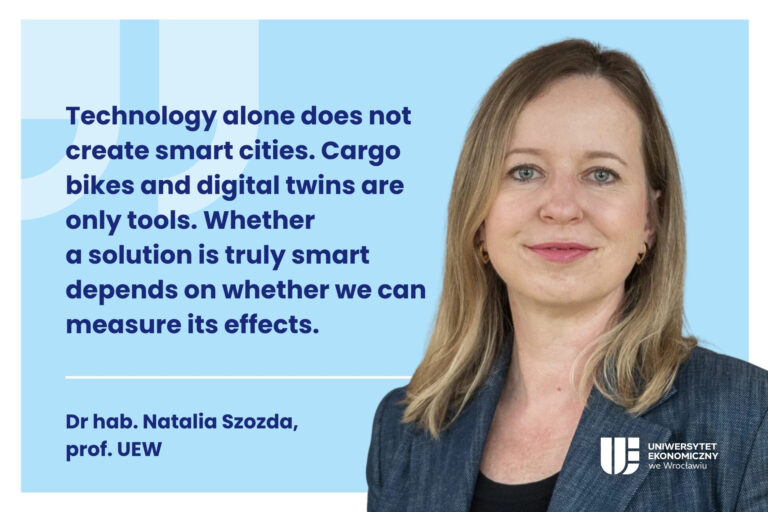
Wroclaw’s micro-hub at the Economic Forum. Natalia Szozda, Associate Professor, on when a city truly becomes smart
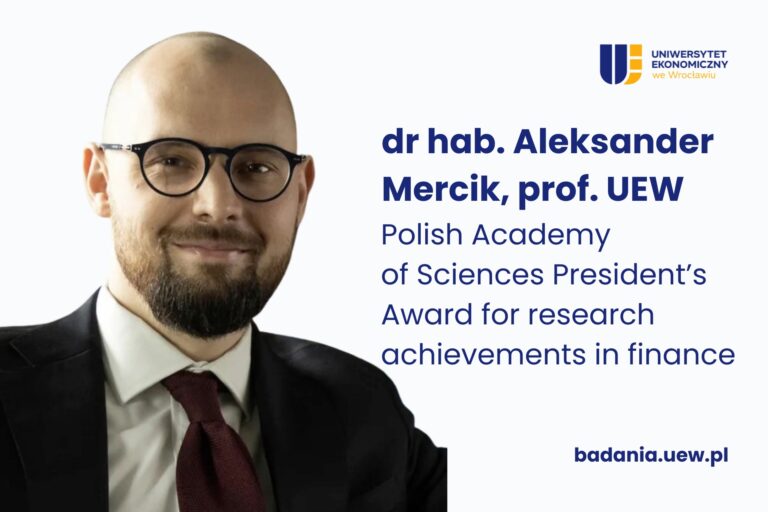
Dr hab. Aleksander Mercik, Professor of the WUEB, receives the Andrzej Gospodarowicz Award in Finance from the President of the Polish Academy of Sciences
WUEB Experts Weekly Review. Research, Projects and Academic Successes (5–11 October 2026)
Wroclaw University of Economics and Business researchers among the world’s leading scientists: six included in the 2026 World’s Top 2% Scientists database