
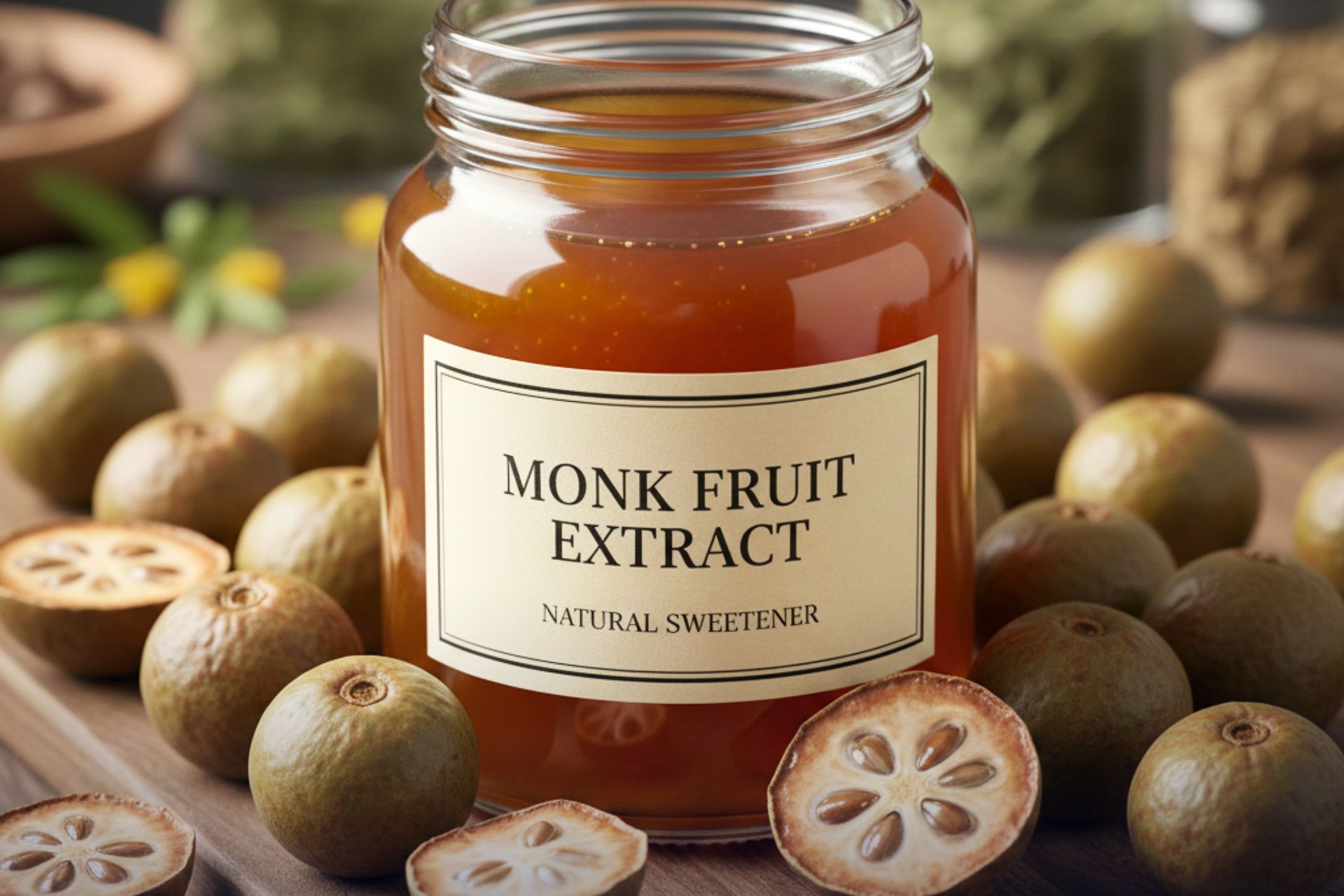
Can you reduce sugar in the diet without the “penalty” of rapid spikes in glucose and insulin? This question was examined by Urszula Kaim (Wrocław University of Economics and Business) and Karolina Labus (Wrocław University of Science and Technology) in an article published in “Nutrients”: “Monk Fruit Extract and Sustainable Health: A PRISMA-Guided Systematic Review of Randomized Controlled Trials”. The paper is a systematic review of clinical studies on monk fruit extract (Siraitia grosvenorii; monk fruit extract—MFE), prepared in line with PRISMA methodology and based on randomised controlled trials (RCTs) conducted between 2015 and 2025.
Five RCTs and diverse protocols: the scope of the review
The authors included five RCTs. The trials differed in protocol (from postprandial tests to short interventions lasting days to weeks) and in how MFE was administered (e.g., beverages, dairy products, lozenges), which is important for interpreting results and comparing evidence across studies.
Key takeaways: what do the clinical studies show?
First: postprandial glycaemia and insulin
In RCTs where MFE replaced sucrose, postprandial glycaemia decreased by around 10–18% and the insulin response by 12–22% compared with sugar. This suggests that MFE may reduce the “metabolic cost” of sweet taste when the goal is to reduce sugar intake.
Second: appetite for sweets
The review also noted findings suggesting a reduction in cravings for sweets (around 23%) and a small decrease in fasting glucose (around 6%). However, these results come from single studies and require replication in larger, longer trials.
Third: uses beyond metabolism (throat)
The included evidence also covered studies assessing Siraitia grosvenorii preparations in the context of throat complaints; improvements were reported in outcomes such as sore throat, hoarseness, and mucosal irritation (including in clinical contexts such as post-intubation symptoms).
Fourth: safety
No serious adverse events were reported in the analysed RCTs, supporting a favourable safety profile—while noting that most trials were short and long-term data remain limited.
Recipe reformulation and metabolic prevention: the growing role of evidence
Reducing sugar intake is a key element of metabolic disease prevention, and the market needs solutions that combine sensory acceptability with a predictable metabolic profile. This review consolidates the available clinical evidence on MFE and shows where “promise” ends and the hard need for further studies begins (larger trials, longer follow-up, clinical populations).
Regulation: USA/China—yes; the EU—status depends on the form and the authorisation pathway
Regulatory conclusions are not uniform. The article notes that MFE is authorised for use, among others, in the USA and China, while in the European Union the picture remains more complex. Independent regulatory analyses also indicate that “monk fruit” may fall under different legal categories depending on its form (e.g., aqueous infusions/decoctions vs highly purified mogrosides), and that at least one specific form of an aqueous extract has obtained authorisation in the EU (as of October 2024).
What’s next? Research gaps highlighted by the authors
The review emphasises the need for higher-powered and longer-duration studies, better evidence on the effects of regular consumption, and deeper investigation into areas such as gut microbiota and cardiovascular parameters.
When a review reaches wider audiences: a readership distinction
“The publication attracted strong interest from international readers. The article received the ‘Most Viewed Papers in 2025’ distinction, meaning it ranked among the most frequently viewed items in its distribution channel in 2025. In practice, this signals growing visibility of the topic across both academic and science-informed public discourse—particularly in the context of nutrition and metabolic disease prevention—and confirms that RCT-based systematic reviews reach a broad audience.”
badania.uew.pl – because the world needs competent voices when research evidence matters more than dietary fads.
Author: Justyna Morawska-Płoskonka
See similar content

Video games are more than entertainment. WUEB researchers on cooperation between game developers and the cultural and creative industries

Space Logistics, Interplanetary Supply Chains and Interdisciplinary Research and Educational Projects Related to Space at UEW in Jelenia Góra
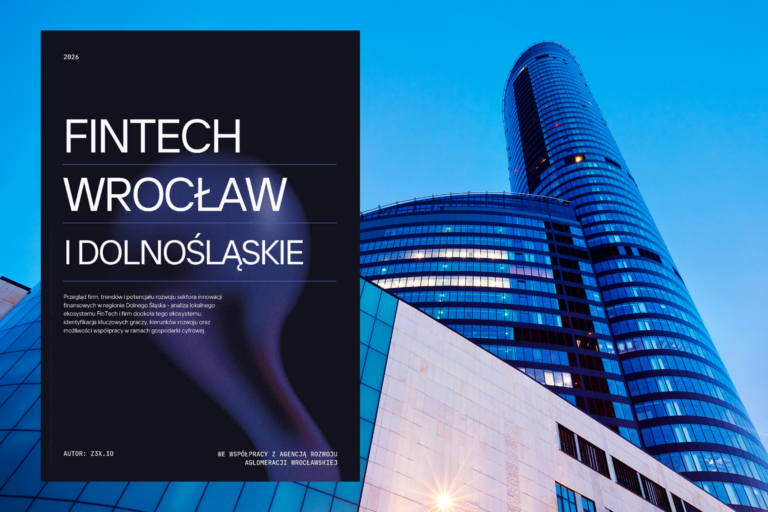
Wrocław has FinTech potential. A WUEB expert argues it is time to turn that potential into advantage
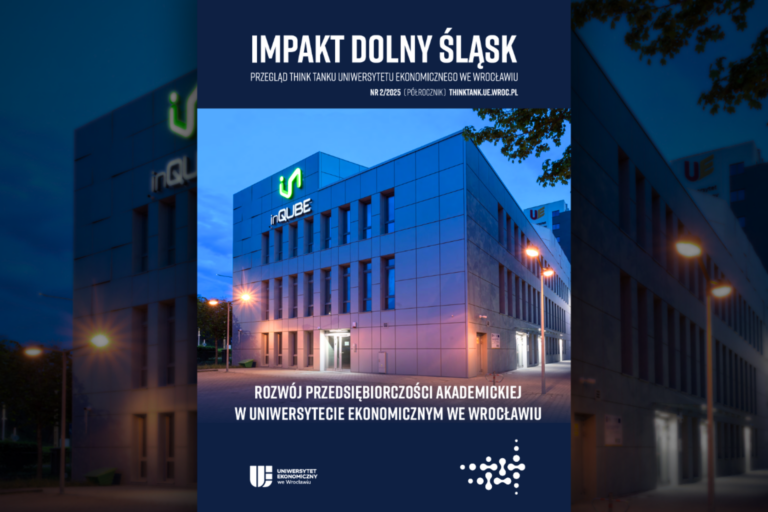
Academic Entrepreneurship as Architecture of Impact. The New Issue of „Impakt Dolny Śląsk” (2/2025)
See also
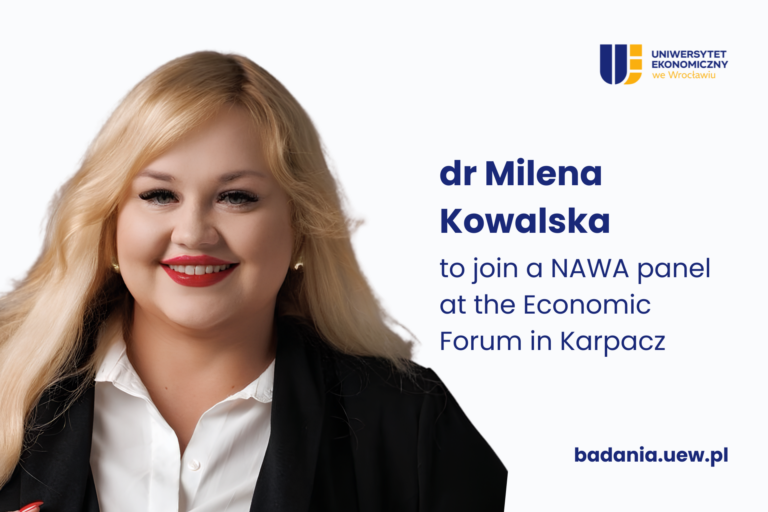
What comes after a PhD? Dr Milena Kowalska at the Economic Forum in Karpacz

Bridging V4 Universities and Business through Design Thinking

WUEB Experts Weekly Review. Research, Projects and Academic Successes (24 – 30 August 2026)
Visual Simulation of Business Processes (WSPB) joins the Polish Roadmap for Research Infrastructures
WUEB experts weekly rewiev. Research, Projects and Academic Successes (17–23 August 2026)

WUEB awarded Visegrad grant to study the skills gap across the V4
Prof Małgorzata Krzywonos joins the Management Committee of COST Action BRASSCHI