

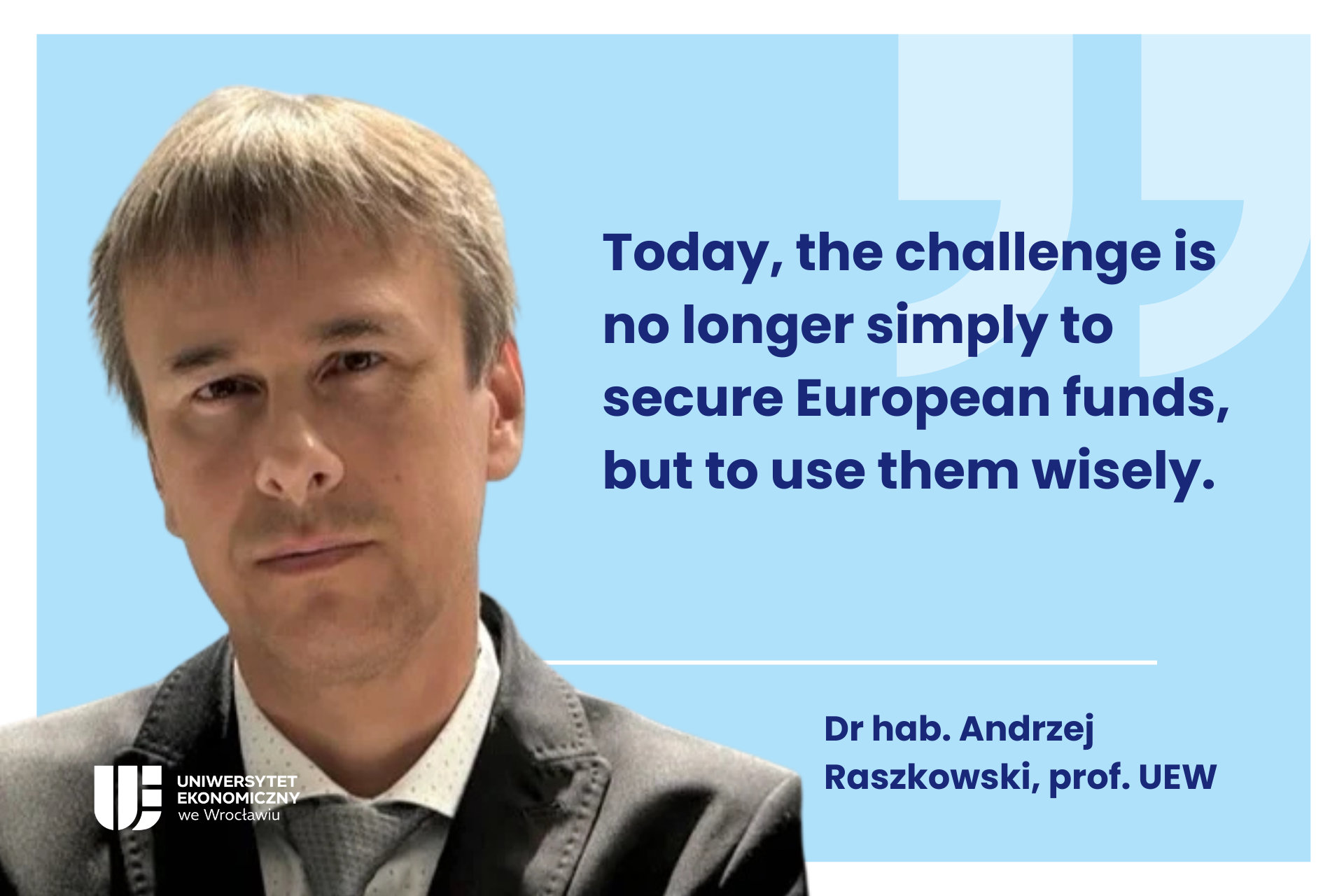
Lower Silesia has long been one of the Polish regions making extensive use of European funds. As dr hab. Andrzej Raszkowski, Professor of the WUEB, notes, the key question today is no longer only how to secure funding, but how wisely it is used.
EU funds have accelerated Lower Silesia’s development
Since Poland joined the European Union, EU funding has become one of the most important instruments for the modernisation of Lower Silesia. Its effects can be seen in transport, environmental protection, urban regeneration, school modernisation, nursery provision, public services and local investment projects that have changed daily life in many smaller communities.
Dr hab. Andrzej Raszkowski, Professor of the Wrocław University of Economics and Business, points out that since 1989 it is difficult to identify another modernisation impulse of comparable strength for the region. EU funds have influenced infrastructure quality, investment attractiveness, the labour market, public services and residents’ quality of life.
The WUEB expert views this process through the lens of regional economy, development strategy and public management. EU funds are more than a source of financing. They also test a region’s capacity to plan, cooperate and assess the effects of its decisions.
From investment to the quality of development decisions
In 2014 – 2020, more than PLN 10 billion was available under the Regional Operational Programme for the Lower Silesian Voivodeship. The funds supported more than 6,800 projects. In the current financial perspective, under the European Funds for Lower Silesia 2021–2027 programme, the region has nearly PLN 11 billion at its disposal. So far, around 1,700 contracts have been signed, with a total value of more than PLN 6.2 billion.
Behind these figures are very different types of projects. Some concern major transport infrastructure, including railways, roads, bypasses and public transport. Others support education, energy efficiency, regeneration, environmental protection, digitalisation, entrepreneurship and skills development.
Professor Andrzej Raszkowski stresses that infrastructure projects are the most visible because residents use them every day. Their significance, however, should be read more broadly. A successful investment does not end with the construction of a facility, the purchase of rolling stock or the renewal of public space. Its value becomes clear when it improves access to services, strengthens the local economy, reduces travel times, limits transport exclusion or helps local government respond better to residents’ needs.
This is where the perspective of a researcher specialising in regional development becomes particularly useful. EU funds have encouraged many institutions to think more systematically about objectives, timetables, partnerships and outcomes. Local governments have learned project-based work, impact measurement and the linking of local needs with the regional, social, climate and economic policy priorities of the European Union.
The key question: what comes next?
Professor Andrzej Raszkowski’s strongest point concerns the next stage of the region’s development:
“Today, the challenge is no longer only to obtain funding, but to use it wisely.”
This sentence captures the position in which Lower Silesia now finds itself. For years, the region has been catching up in infrastructure. The quality of project selection is now becoming increasingly important. The focus is on investments that respond to real problems: energy transition, the resilience of towns and municipalities, low-emission transport, retaining young residents, support for businesses, better public services and the development of skills needed in the economy.
From this perspective, EU funds are a development tool, but they do not guarantee lasting change on their own. The scale of change depends on how the money is used: the accuracy of the diagnosis, the quality of strategy, institutional cooperation, the ability to deliver projects and an honest assessment of their effects.
The WUEB expert’s voice brings order to the debate on EU funds. It moves beyond the question of how much money has reached the region. It leads to a more important one: whether these funds are helping Lower Silesia become a more cohesive, competitive and resilient region, better prepared for the challenges ahead.
Read more about experts from the Wrocław University of Economics and Business and their comments on regional development, local government and socio-economic policy.
Meet the author of the article
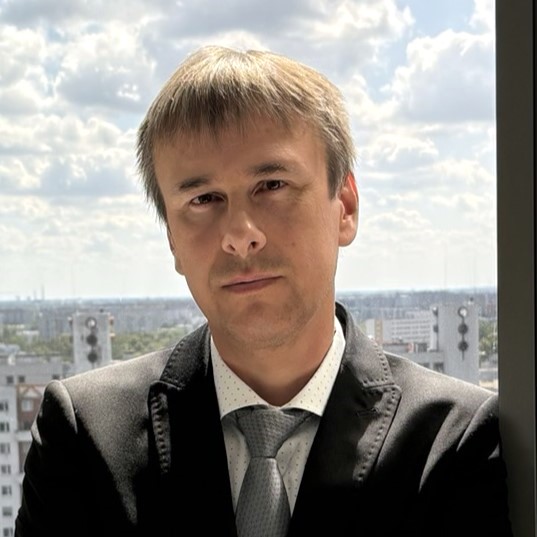
Dr hab. Andrzej Raszkowski, Professor of the WUEB
Expert in the field of: Local government & public administration, Socio-economic policy
Author of text: Barbara Grzelczak
See also
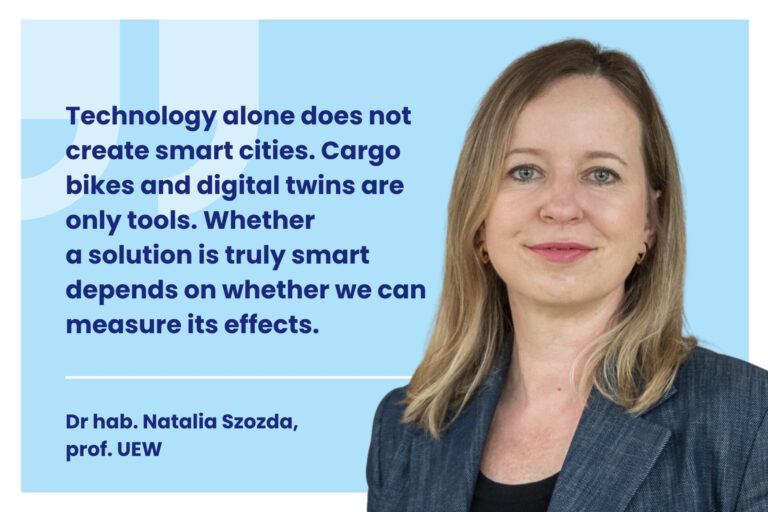
Wroclaw’s micro-hub at the Economic Forum. Natalia Szozda, Associate Professor , on when a city truly becomes smart

WUEB Experts Weekly Review. Research, Projects and Academic Successes (5–11 October 2026)
WUEB Experts Weekly Review: Research, Projects and Academic Successes (28 September–4 October 2026)
WUEB Experts Weekly Review: Research, Projects and Academic Successes (21–27 September 2026)
See similar content
The World Within Wrocław’s Reach. How the PROM research mobilities confirm WUEB’s place on the map of global academia
Wroclaw’s micro-hub at the Economic Forum. Natalia Szozda, Associate Professor , on when a city truly becomes smart
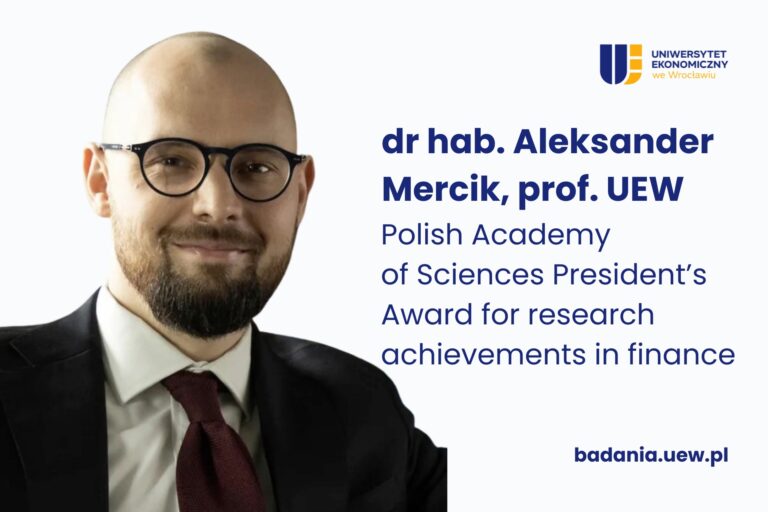
Dr hab. Aleksander Mercik, Professor of the WUEB, receives the Andrzej Gospodarowicz Award in Finance from the President of the Polish Academy of Sciences
WUEB Experts Weekly Review. Research, Projects and Academic Successes (5–11 October 2026)

Wroclaw University of Economics and Business researchers among the world’s leading scientists: six included in the 2026 World’s Top 2% Scientists database
WUEB Experts Weekly Review: Research, Projects and Academic Successes (28 September–4 October 2026)
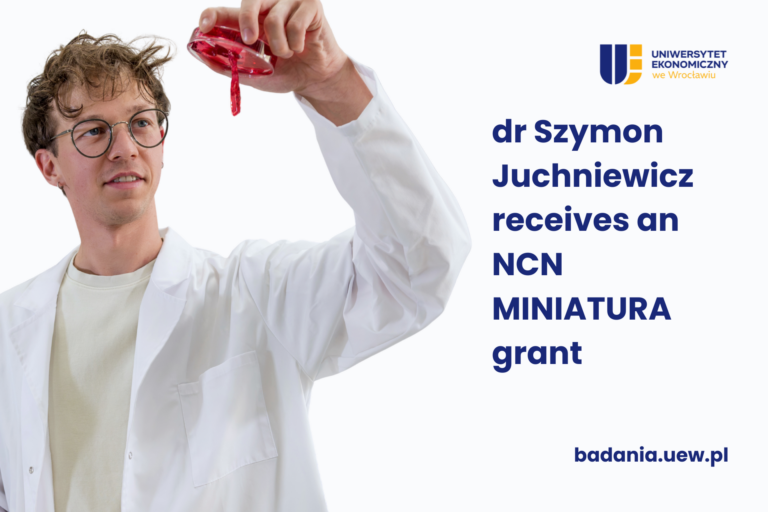
Vitamins C and D in a single plant-based gel: UEW researcher awarded NCN grant