

A city, municipality or district does not build its brand when it adopts a logo or launches a campaign. It builds it every day: through public services, dialogue with residents, cooperation with business and the extent to which its declarations are matched by action.
Dr hab. Andrzej Raszkowski, Professor of the WUEB, discussed effective brand-building by local government units in an interview published by Warto Wiedzieć. The Wroclaw University of Economics and Business expert notes that every municipality and district already has a brand. The key question is whether it is shaped consciously or left to chance.
A place brand is more than promotion
In everyday language, a brand is often associated with a name, visual identity, slogan or advertisement. For local government, this understanding is too narrow.
A city, municipality or district is assessed by many groups at the same time: residents, investors, tourists, local entrepreneurs, social organisations, cultural institutions, young people planning their future and those considering relocation.
In practice, a local government brand is how a place is remembered by its audiences. It includes associations, experiences, reputation and credibility.
If a municipality presents itself as investor-friendly but has no prepared sites, efficient administrative support or clear procedures, the message quickly loses meaning. If a city speaks about tourism but does not ensure accessible information, a coherent tourism offer or a good visitor experience, promotion remains superficial.
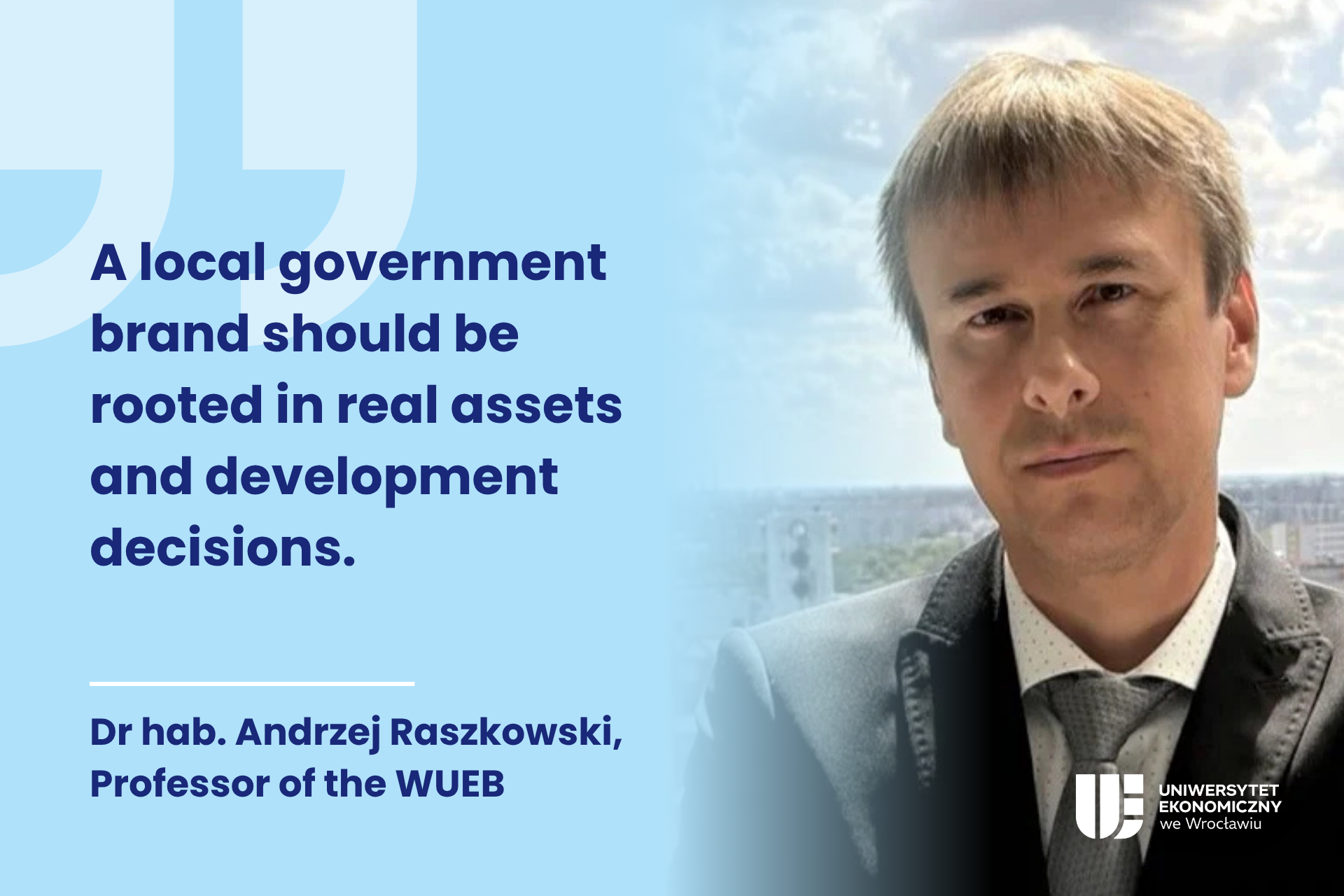
In this context, Prof. Andrzej Raszkowski points to an important mechanism: a local government brand must grow from real resources and development decisions. Communication is needed, but it should describe what exists, what works or what is being built consistently.
A strategy that organises decisions
Prof. Raszkowski’s perspective is particularly valuable because it combines research on regional economy and local development with advisory practice for local authorities.
Dr hab. Andrzej Raszkowski, Professor of the WUEB, is an economist, strategic adviser, and expert in local government, public administration, and socio-economic policy. He is affiliated with the Department of Regional Economy at the Faculty of Economics and Finance, Wroclaw University of Economics and Business. In his WUEB expert profile, he is presented as an author of development strategies for local governments and companies, and as an adviser working with the socio-economic environment.
This is an important context because a conversation about a local government brand is not only about image. It is about development management.
A well-built brand helps organise priorities. It shows what matters most to a place, which audiences it wants to attract, which resources it wants to strengthen and how it differs from other local government units.
In this sense, a brand can become a strategic tool. It supports decisions on investment, education, culture, tourism, social policy, communication with residents and cooperation with business. It does not replace a development strategy, but it can give that strategy a clearer direction.
Credibility is built with residents
One of the most important conclusions from the interview concerns shared responsibility. A place brand does not belong only to the local office. It is shaped by residents, entrepreneurs, schools, non-governmental organisations, local leaders, the media, public institutions and people who speak about their city or region every day.
Effective brand-building therefore requires dialogue and consistency. Local government should understand its strengths, but it should also recognise its limitations honestly.
A strong brand does not emerge from a list of aspirations. It emerges when the story of a place is consistent with the experience of people who live, work, invest or spend time there.
This matters today because local governments compete not only for tourists and investors. They also compete for employees, students, families, specialists and socially active people. In this competition, the largest units do not always have the advantage. Often, it is the places that can clearly explain who they are, what they offer and why they can be trusted.
Source: “O skutecznym budowaniu marki samorządów – wywiad z prof. Andrzejem Raszkowskim”, Warto Wiedzieć – https://wartowiedziec.pl/serwis-glowny/wywiady/80925-o-skutecznym-budowaniu-marki-samorzadow-wywiad-z-prof-andrzejem-raszkowskim
Meet the author of the article
Dr hab. Andrzej Raszkowski, Professor of the WUEB
Expert in the field of: Local government & public administration, Socio-economic policy
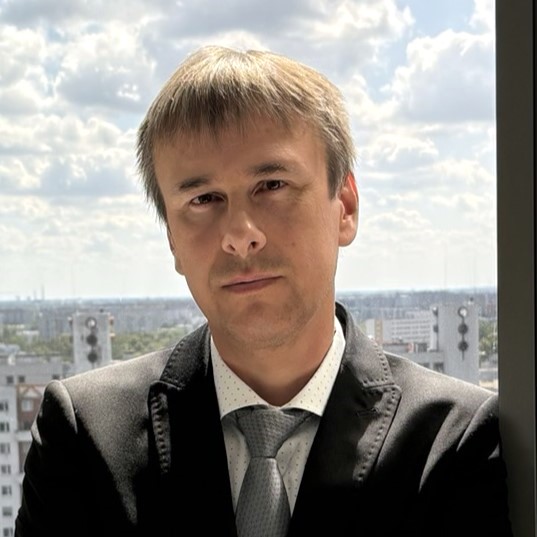
Author of text: Barbara Grzelczak
See also
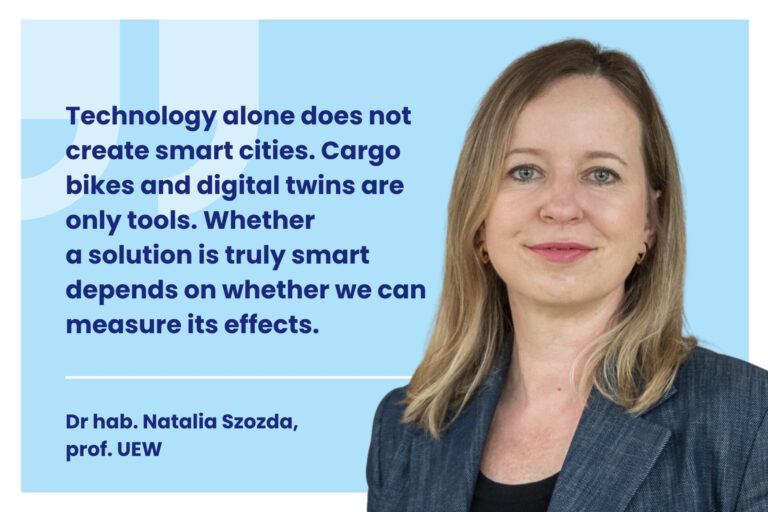
Wroclaw’s micro-hub at the Economic Forum. Natalia Szozda, Associate Professor , on when a city truly becomes smart

WUEB Experts Weekly Review. Research, Projects and Academic Successes (5–11 October 2026)
WUEB Experts Weekly Review: Research, Projects and Academic Successes (28 September–4 October 2026)
WUEB Experts Weekly Review: Research, Projects and Academic Successes (21–27 September 2026)
See similar content
The World Within Wrocław’s Reach. How the PROM research mobilities confirm WUEB’s place on the map of global academia
Wroclaw’s micro-hub at the Economic Forum. Natalia Szozda, Associate Professor , on when a city truly becomes smart
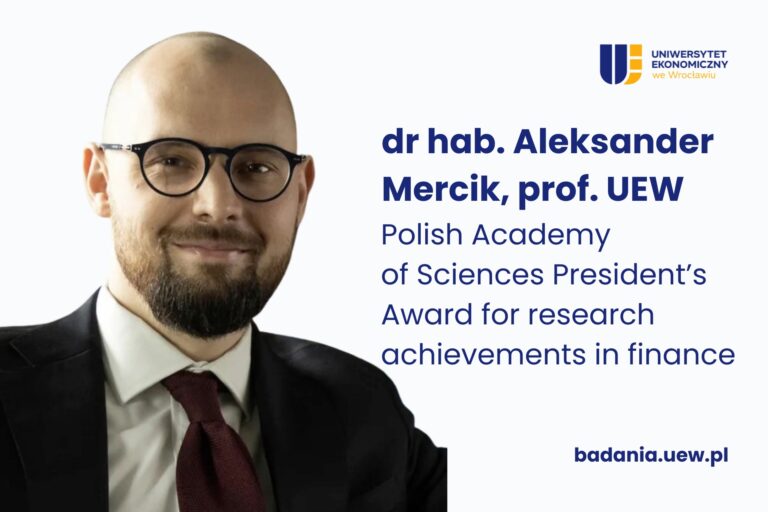
Dr hab. Aleksander Mercik, Professor of the WUEB, receives the Andrzej Gospodarowicz Award in Finance from the President of the Polish Academy of Sciences
WUEB Experts Weekly Review. Research, Projects and Academic Successes (5–11 October 2026)

Wroclaw University of Economics and Business researchers among the world’s leading scientists: six included in the 2026 World’s Top 2% Scientists database
WUEB Experts Weekly Review: Research, Projects and Academic Successes (28 September–4 October 2026)
Vitamins C and D in a single plant-based gel: UEW researcher awarded NCN grant